
Home
/
Services
/
System integration

Integration of IT systems for business

Combining digital products into a single ecosystem

  • Complete infrastructure audit and optimal integration plan
  • A single information space between a web-based solution, CRM, ERP and a mobile application
  • Connection of payment, analytical, marketing and logistics systems
  • Setting up reliable data exchange between all modules and external services
  • Speeding up business processes and reducing manual operations
  • Improving the accuracy of analytics and the effectiveness of customer communications
  • Secure APIs and stability monitoring
  • Technical support and development of integrations for new tasks
Discuss the project
50+
completed projects
5,7%
staff turnover
до 28%
budget savings on development

Advantages of system integration in IT

For the business owner
  • Speeding up the company's work by automating the main processes
  • Minimizing manual actions and mistakes by employees
  • Flexible adaptation to new business models and services
  • Improving the speed of customer service and the quality of interaction
  • Profit growth due to synchronized operation of all digital channels


Order integration with external systems
Get a KP
For the product owner
  • Audit and design of integration architecture
  • Connecting internal and external systems
  • Centralized user and data management
  • Improving the stability and performance of an IT product
  • The ability to scale the system without downtime and data loss


Order the integration of IT systems

Request a roadmap
For the project manager
  • A single data management panel from all systems
  • Automatic information exchange between teams and contractors
  • Access to up-to-date analytics and metrics in real time
  • Reducing the number of manual approvals and duplication of tasks
  • Speeding up releases and increasing transparency of processes


Evaluate how integration with external systems helps the business.

Order a demo

The cost of system integration

from 3 weeks
from 2500 ₽/hour
projects starting from 300 thousand rubles.
LighTech The warranty period is 2 weeks
LighTech Comprehensive audit
LighTech The optimal team for the task
LighTech Support and mentoring from experts in related fields
LighTech Transparent process — TK work, reporting, tracking, timing control

The LighTech Team

Project managers
Product managers
DevOps engineers
Architects
Frontend Developers
Backend Developers
Mobile Developers
Flutter-
iOS Developers-Developers
Android Developers
QA Engineers
UX/UI specialists
Scrum Masters
Analysts
Designers
Marketers
Copywriters
Learn more about the team

Tell us about your project.

And we will offer you the optimal solution based on our experience, create a roadmap for the project and estimate the time and cost of development.
Discuss the project
LighTech

Our advantages

Scrum.org certification

Our team is certified according to international standards Scrum.org . We apply the best practices of agile development to your business.

The Open-Source approach

Active participation in open-source projects allows you to create reliable solutions using proven technologies and keep up with the times. 

The component approach

Our solutions are created from ready-made tested components. This speeds up development and scaling, as well as making further support easier.

Worked commands
Worked commands

Our experts with extensive experience in collaboration guarantee efficiency, coherence and quality of the final product.

Experience in BPMS, CRM, and Highload development

We are not new to complex projects. We have extensive experience in creating BPMS, CRM and high-load systems.

Accredited IT company

Proven professional qualifications, reliability and compliance with advanced industry standards.

Technology stack

We will help you create a solution that will meet the needs of your business. Our team uses proven and up-to-date tools, develops digital products for stable and efficient work for many years to come. 
Go
A compiled programming language with a simple syntax, focused on high performance and parallel computing.
Python
A powerful and flexible programming language that provides fast development and high performance. It is ideal for creating complex business logic and processing large amounts of data.
RDBMS
A relational database management system that allows you to store and process data in the form of linked tables
AWS
Amazon cloud platform, which provides a wide range of services for computing, data storage, and application development
Celery
Asynchronous task queue for Python, which allows you to perform deferred operations and distribute the load
Docker
A platform for packaging, distributing, and running applications in isolated containers
Django
High-level Python framework for fast development of secure and scalable web applications
DRF
Django REST Framework, a Django extension for creating APIs with REST architecture support
FastAPI
Modern Python framework for building high-performance APIs with automatic documentation
React
A library for developing interactive user interfaces. Allows you to create fast and scalable web applications with excellent performance.
Angular
A progressive framework for creating dynamic and responsive user interfaces. Guarantees smooth operation of your portal on any devices
Vue
A progressive JavaScript framework for creating user interfaces with a reactive data update system
Next.js
React is a framework with support for server-side rendering for creating optimized web applications.
Nuxt
A framework for Vue.js, which simplifies the development of universal and statically generated applications
Dart
An object-oriented programming language from Google used for developing mobile, web, and desktop applications.
Flutter
A powerful framework for fast and efficient development, ideal for creating cross-platform applications. It provides high performance and flexibility, enables efficient implementation of complex business logic, and provides high-quality user interfaces.
Clean Architecture
An architectural approach to software development that focuses on separation of responsibility and independence from external frameworks
Swift
A modern programming language from Apple for developing applications for iOS, macOS and other platforms of the company
Kotlin
A statically typed programming language from JetBrains, compatible with Java, used for developing Android applications and server systems

They trust us.

Bayer
Bronevik
Stabilafonder
X5Group
W
Lean Apps

Stages of system integration

1

Analysis and planning

We audit the IT infrastructure and existing solutions. We define the integration goals, identify incompatibilities and points of interaction between the systems. We are developing the architecture and roadmap of the project.

2

Preparation and coordination of decisions

We choose optimal APIs, data exchange protocols, and integration tools. We are developing a technical specification and agreeing on the architecture of interaction between the systems and services.

3

Implementation of integration

We set up data exchange between CRM, ERP, mobile applications, websites, web applications, payment and analytical services. We ensure the security, stability of connections and correct synchronization of information.

4

Testing and debugging

We check the correctness of data transmission, load stability and system compatibility. We conduct comprehensive testing on all environments: web, mobile and server.

5

Release and support

Launching the website. If necessary, we expand the functionality, add new sections and provide technical support. We help the project to develop and increase the conversion rate of applications.

Why does a business need to integrate IT systems?

System integration is the integration of various IT solutions of a company into a single infrastructure: websites, mobile applications, CRM and ERP systems, payment, logistics, analytical and marketing platforms. 

The main goal is to establish automatic and secure data exchange between all digital services so that business processes work without interruptions and manual operations.

For example, a request from a mobile application is immediately sent to CRM, the status is updated in ERP, and sales analytics are automatically displayed on the dashboard of the manager.

What does system integration in IT provide:

  • Automation of processes — applications, sales, warehouse, reporting and communications work according to a single scenario without manual input.
  • A single data ecosystem — all departments and systems use up-to-date and synchronized information.
  • Fast analytics and manageability — key metrics and reports are generated in real time.
  • Reducing costs and errors — integration reduces the number of manual actions and speeds up internal processes.
  • Security and scalability — secure data transmission channels and the ability to quickly connect new services and modules.
  • Growth readiness — the system can be easily expanded to accommodate new products, branches, and digital tools.

Our team implements system integration for business tasks: we combine websites, corporate platforms and mobile applications, set up stable data exchange between internal and external services, provide support and infrastructure development.

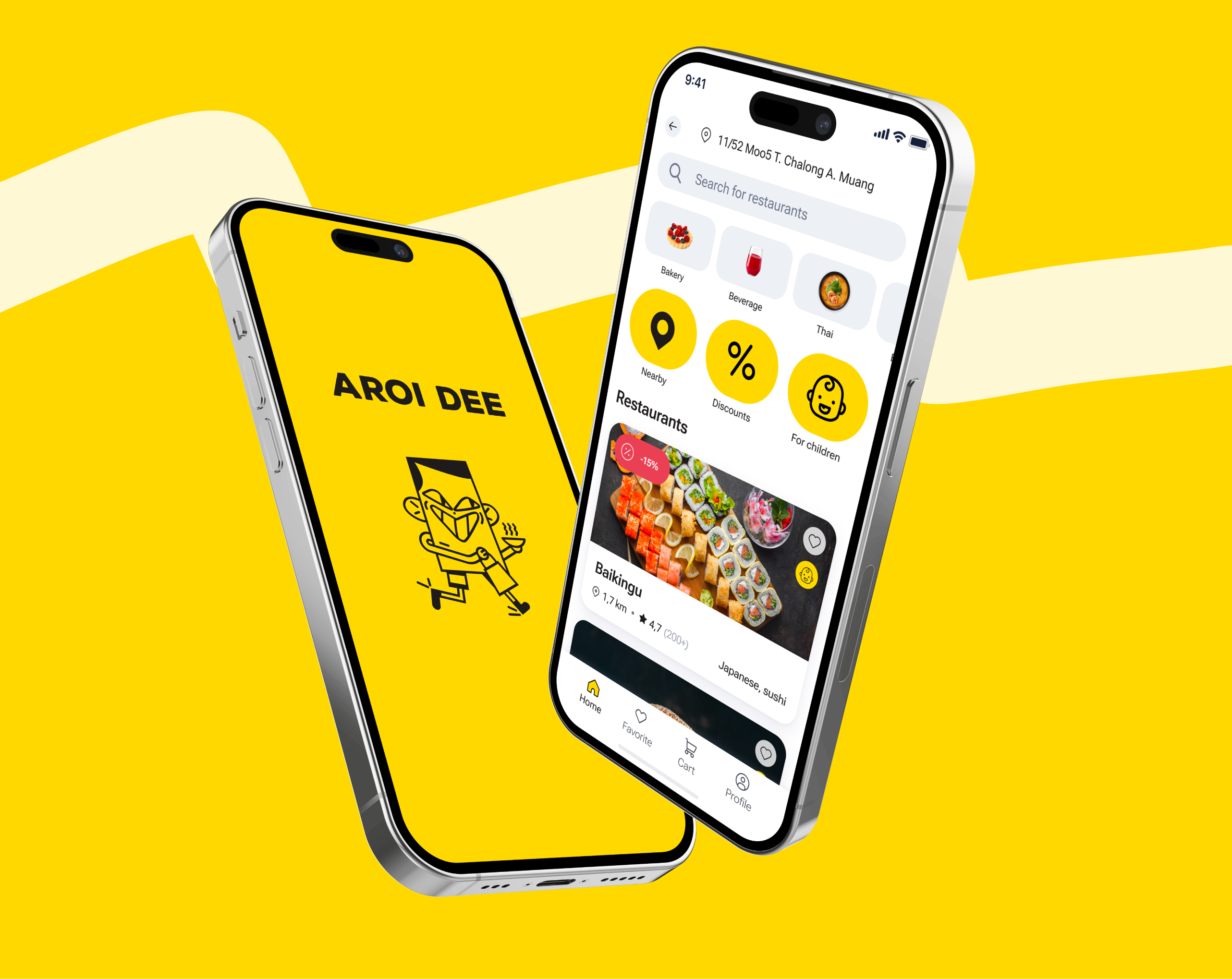
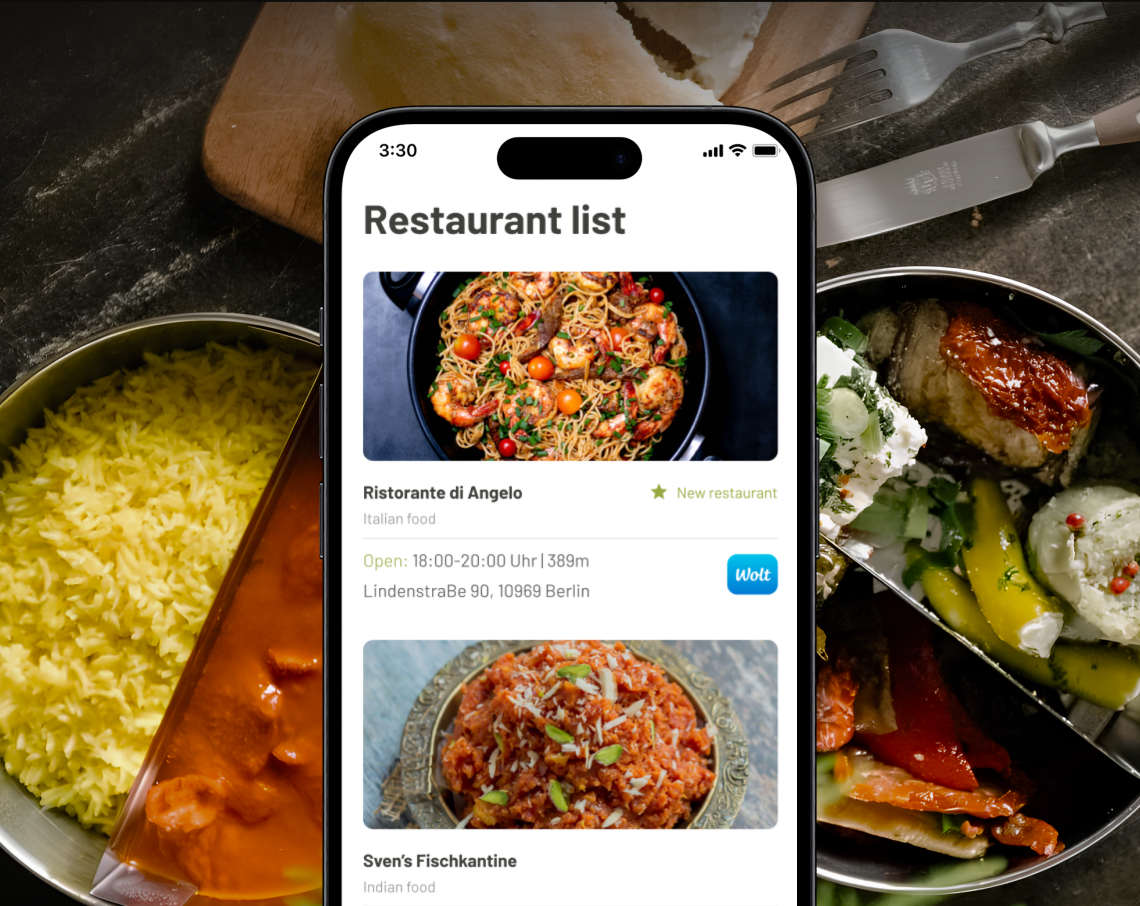
We have a project where we have developed the Aroi Dee ecosystem, which combines web and mobile applications for customers, restaurants and couriers. System integration ensures automatic data exchange between all participants in the process. Users can quickly place and track orders, managers can manage menus and statistics, and couriers can receive routes and current delivery statuses. This interaction creates a unified digital space with a user-friendly interface, high performance and scalability.

Frequently asked questions about the integration of IT systems

Is it possible to increase business efficiency through system integration?
How much does IT cost to integrate IT systems?
What does the integration of client cabinets with internal systems provide?
Who performs the system integration?

What will you get after completing the project

Get artifacts from the project
Open
Updated digital solutions
Documentation
Documentation
Closing documents
Closing documents
Support
Support

Projects that we have implemented

Tell us about your project
Name
Contact
Message
Attach file +
Request to get files
Name
Send files
Message
Thanks!
Your request has been sent
After processing, our manager will contact you