
Home
/
Services
/
Development of technical specifications for a mobile application

Creating a technical specification for the development of a mobile application

Ready-made solutions for business

  • Quick launch of the mobile app
  • Accurate cost estimation at the planning stage
  • Accounting for all business, user, and iOS/Android platform requirements
  • A detailed document for designers, developers, and testers
  • Reducing the cost of improvements
  • Well-coordinated work of all contractors and teams on the same base
  • The foundation for a scalable and stable product
Discuss the project
до 28%
budget savings on development
50+
completed projects
5,7%
staff turnover

The advantages of creating technical specifications for the development of a mobile application

For the business owner
  • Fixed requirements to avoid unnecessary improvements
  • The basis for scaling and connecting external services
  • Planned scenarios, logic, UX routes
  • A product focused on audience growth and retention


Order a technical specification for the development of a mobile application

Get a KP
For the product owner

  • Documentation for hypothesis testing
  • A well-thought-out product development strategy
  • Distribution of roles and tasks in the team
  • Control over all stages of development


Get a technical specification for the development of a mobile application
Request a technical specification
For the team leader
For the team leader
  • Understanding the scope of tasks and functional requirements
  • Planning and resource allocation in a team
  • Reducing the number of edits due to consistent scenarios and logic
  • Justification of architectural solutions at an early stage


To order a technical specification for the development of a mobile application

Get a KP

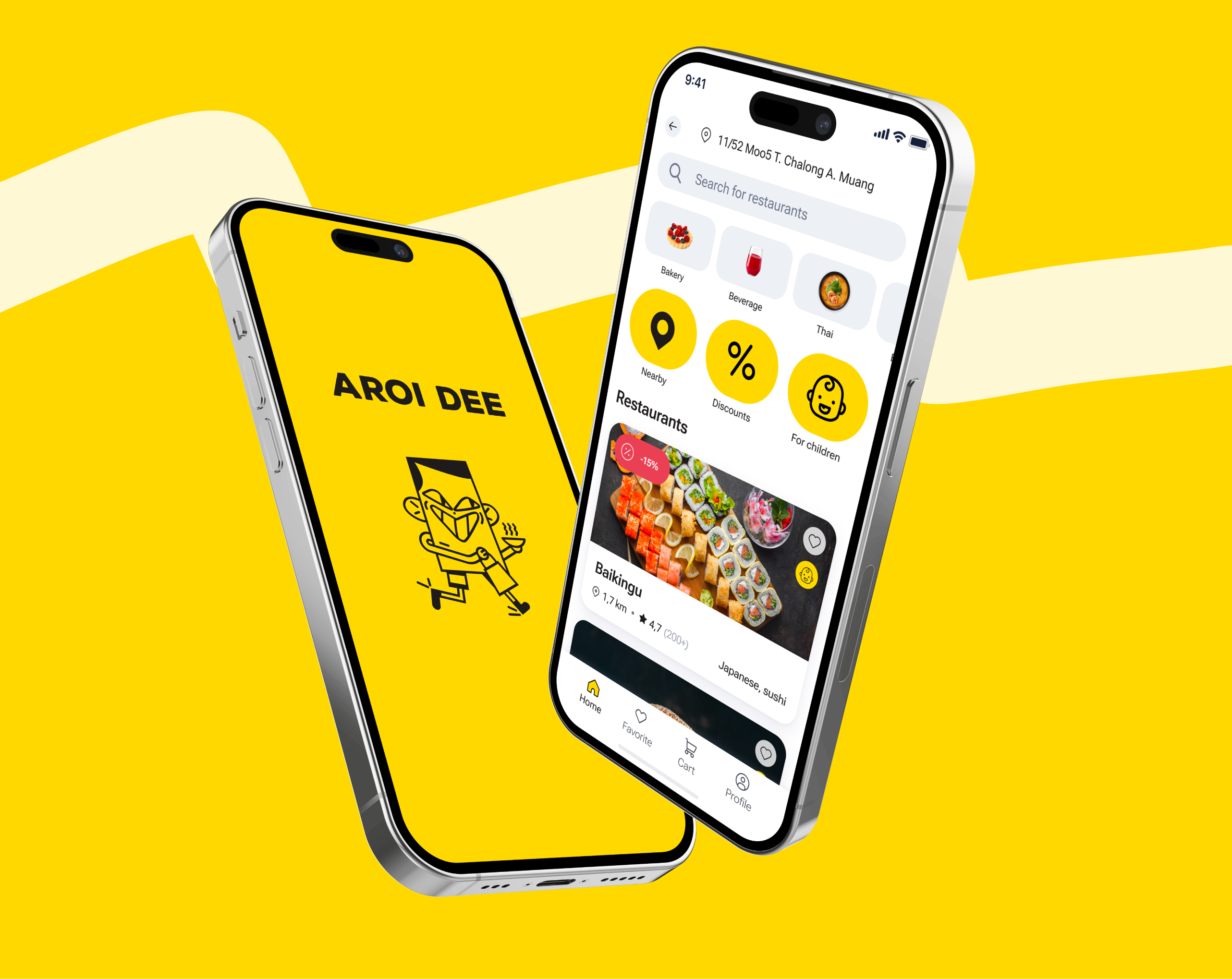
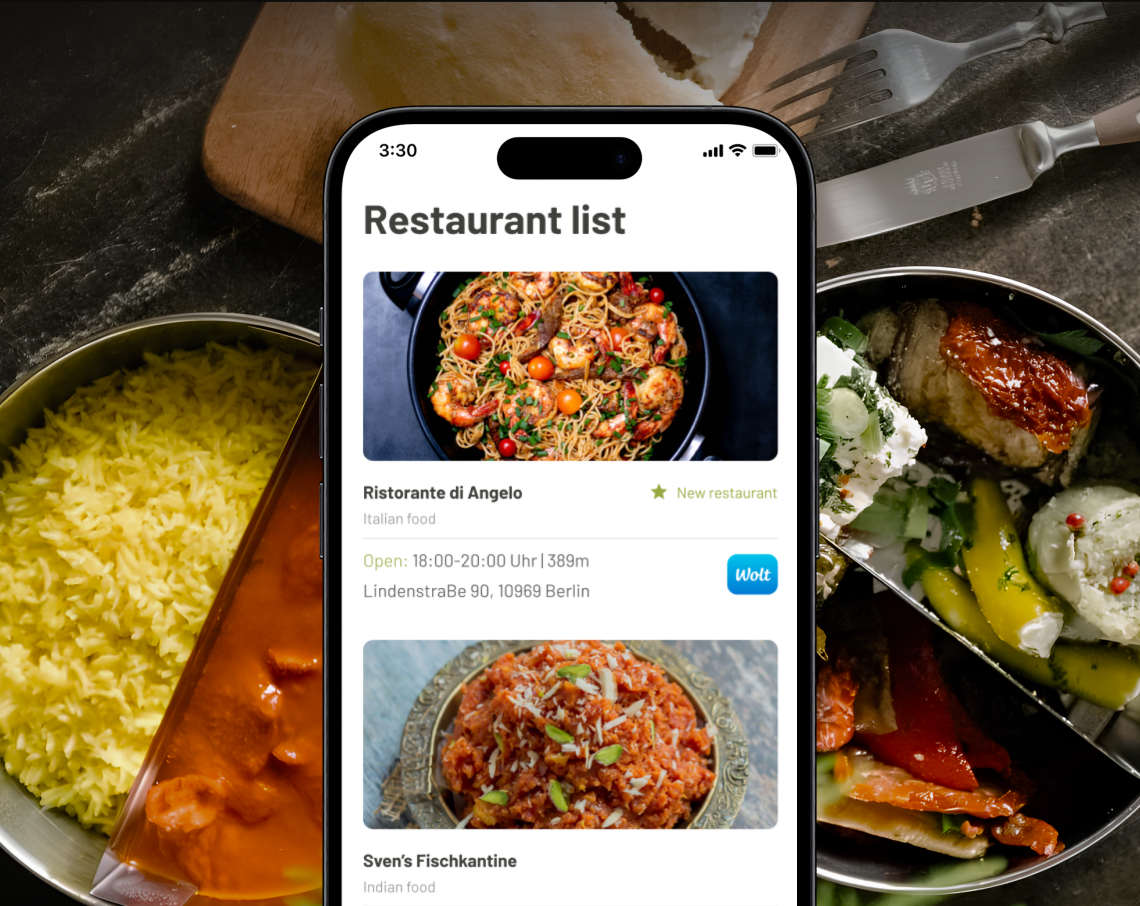
An example of developing a custom mobile application from LighTech

The LighTech Team

Project managers
Product managers
DevOps engineers
Architects
Frontend Developers
Backend Developers
Mobile Developers
Flutter-
iOS Developers-Developers
Android Developers
QA Engineers
UX/UI specialists
Scrum Masters
Analysts
Designers
Marketers
Copywriters
Learn more about the team

Tell us about your project.

And we will offer you the optimal solution based on our experience, create a roadmap for the project and estimate the time and cost of development.
Discuss the project
LighTech

Our advantages

Scrum.org certification

Our team is certified according to international standards Scrum.org . We apply the best practices of agile development to your business.

The Open-Source approach

Active participation in open-source projects allows you to create reliable solutions using proven technologies and keep up with the times. 

The component approach

Our solutions are created from ready-made tested components. This speeds up development and scaling, as well as making further support easier.

Worked commands
Worked commands

Our experts with extensive experience in collaboration guarantee efficiency, coherence and quality of the final product.

Experience in BPMS, CRM, and Highload development

We are not new to complex projects. We have extensive experience in creating BPMS, CRM and high-load systems.

Accredited IT company

Proven professional qualifications, reliability and compliance with advanced industry standards.

Technology stack

We will help you create a solution that will meet the needs of your business. Our team uses proven and up-to-date tools, develops digital products for stable and efficient work for many years to come. 
Go
A compiled programming language with a simple syntax, focused on high performance and parallel computing.
Python
A powerful and flexible programming language that provides fast development and high performance. It is ideal for creating complex business logic and processing large amounts of data.
RDBMS
A relational database management system that allows you to store and process data in the form of linked tables
AWS
Amazon cloud platform, which provides a wide range of services for computing, data storage, and application development
Celery
Asynchronous task queue for Python, which allows you to perform deferred operations and distribute the load
Docker
A platform for packaging, distributing, and running applications in isolated containers
Django
High-level Python framework for fast development of secure and scalable web applications
DRF
Django REST Framework, a Django extension for creating APIs with REST architecture support
FastAPI
Modern Python framework for building high-performance APIs with automatic documentation
React
A library for developing interactive user interfaces. Allows you to create fast and scalable web applications with excellent performance.
Angular
A progressive framework for creating dynamic and responsive user interfaces. Guarantees smooth operation of your portal on any devices
Vue
A progressive JavaScript framework for creating user interfaces with a reactive data update system
Next.js
React is a framework with support for server-side rendering for creating optimized web applications.
Nuxt
A framework for Vue.js, which simplifies the development of universal and statically generated applications
Dart
An object-oriented programming language from Google used for developing mobile, web, and desktop applications.
Flutter
A powerful framework for fast and efficient development, ideal for creating cross-platform applications. It provides high performance and flexibility, enables efficient implementation of complex business logic, and provides high-quality user interfaces.
Clean Architecture
An architectural approach to software development that focuses on separation of responsibility and independence from external frameworks
Swift
A modern programming language from Apple for developing applications for iOS, macOS and other platforms of the company
Kotlin
A statically typed programming language from JetBrains, compatible with Java, used for developing Android applications and server systems

They trust us.

Bayer
Bronevik
Stabilafonder
X5Group
W
Lean Apps

Industry experience

The stages of creating a technical specification for a mobile application

1

Analysis and planning

We define the goals of creating a mobile application, tasks and business requirements. We analyze the audience, user behavior, competitors, and trends in the mobile environment. We fix the main scenarios, target platforms (iOS/Android), deadlines and the approximate budget of the project.

2

Working out the logic and user path

We are building a map of user scenarios based on mobile interaction patterns. We form the structure of screens, navigation, the behavior of elements and the logic of transitions. We take into account the features of the mobile UX: gestures, download speed, offline access.

3

Preparation of prototypes and UI guidelines

We record recommendations on UX/UI design, adaptability, and visual logic to facilitate the work of specialists.

4

Description of functionality and integrations

We formulate technical requirements for the main functions of the mobile application: authorization, notifications, search, geolocation, camera operation, etc. We specify the necessary integrations: analytics, CRM, payment systems, push services, API of third-party platforms.

5

Standards and development support

We form requirements for architecture, code quality, security, and testing. We are adding sections that will help developers and testers: a dictionary of terms, data structure, constraints, and checklists.

Why does a business need technical specifications for developing a mobile application?

The Terms of reference are the basis for successful mobile application development. It is with the TK that the project begins, in which the goals, functional priorities, deadlines, budget and area of responsibility of each party are clear. Without it, the project risks going beyond the scope and being delayed or not giving the expected result. For companies seeking to scale, automate processes, and improve customer service, the development of a technical specification will help:

  • capture business requirements and user scenarios;
     

  • define the functions and priorities of a mobile application;
     

  • reduce the number of completions and reduce costs;
     

  • establish effective communication between businesses, designers and developers;
     

  • get a predictable result without surprises.

If you want to test an idea, create an MVP, or launch a large—scale software product, start with a technical specification for software development. This saves resources, speeds up startup, and reduces project risks.

We have extensive experience in developing mobile applications for fintech, media, medical technology, food technology, agricultural technology, retail, industry and more. Our case studies include projects that have helped customers from different industries to increase efficiency and scale.

Frequently asked questions about technical specifications for mobile app development

Why does a business need technical specifications for software product development?
What products is TK development suitable for?
What tasks does the terms of reference solve?
Who is suitable for the technical task development service?
Who is involved in the preparation of a technical specification for the development of a mobile application?

What will you get after completing the project

Request an example of a technical specification
Send a request
Documentation
Documentation
Closing documents
Closing documents
Support
Support

Projects that we have implemented

Tell us about your project
Name
Contact
Message
Attach file +
Request to get files
Name
Send files
Message
Thanks!
Your request has been sent
After processing, our manager will contact you