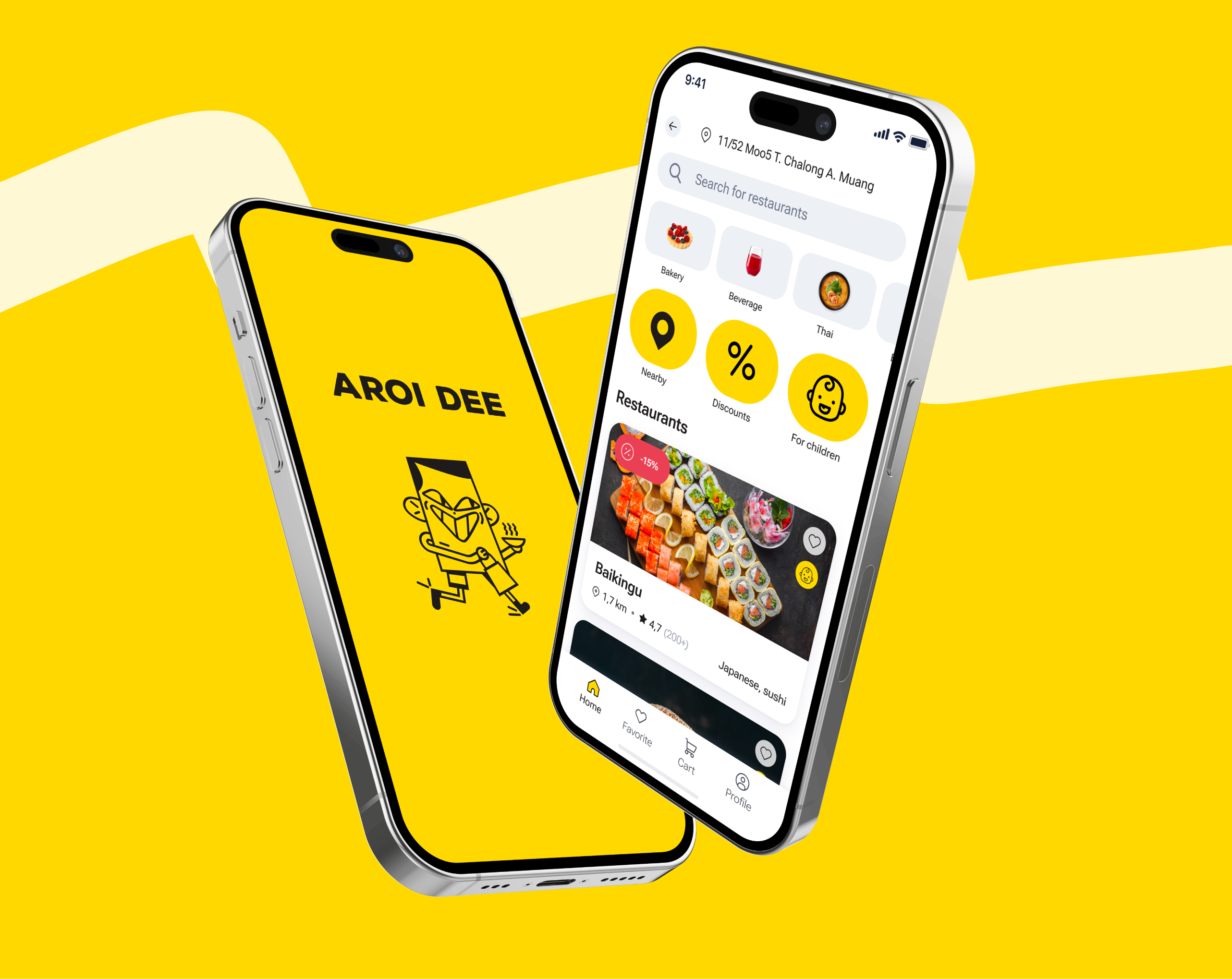
We are testing the API. We check the correctness of the responses, fault tolerance, and vulnerability protection. Optimize the speed and resource consumption. We make sure that the API works smoothly in real conditions.


Find out the cost and timing of API development

Order API development for websites and applications

Plan the API development


Our team is certified according to international standards Scrum.org . We apply the best practices of agile development to your business.

Active participation in open-source projects allows you to create reliable solutions using proven technologies and keep up with the times.




Our accredited company status is a recognition of our professionalism at the state level. This gives you additional guarantees and confidence in the reliability of our partnership.






Analysis and problem statement
We study business goals, technical requirements, and the context of integration. We determine which systems to interact with — CRM, ERP, payment gateways, or external services. We analyze the available APIs, select the appropriate technology stack and data exchange format.
Study of architecture and technical specifications
We are forming a technical specification with a description of endpoints, data structures, usage scenarios and security mechanisms. We are developing the API architecture with scalability, fault tolerance, and future integrations in mind. We will coordinate deadlines, milestones, and success metrics.
API Development
We are creating a reliable core of the service using modern technologies (Go, Python, Java, Kotlin and others). We implement business logic, routing, authentication (JWT, OAuth), and error handling. We ensure high productivity and correct operation under load conditions.
Integration with external systems
We connect the API to the necessary services — payment systems, warehouse solutions, and marketing platforms. We set up data synchronization, webhooks, and background processes. We guarantee a stable and secure exchange of information in real time.
Testing and optimization
We are testing the API. We check the correctness of the responses, fault tolerance, and vulnerability protection. Optimize the speed and resource consumption. We make sure that the API works smoothly in real conditions.
Launch and maintenance
The API (Application Programming Interface) is a bridge between frontend and backend. Through the API, the interface "communicates" with the server — it receives data, sends forms, and authorizes the user. Without the API, the site and application will not be able to function dynamically and respond to user actions. For example, it allows a mobile application to receive data from a server, a website to enable payment or authorization via social networks, and the company's internal systems to exchange information without manual input.
Creating external and internal APIs for integrating services.
Connection to payment systems, CRM, ERP, social networks, reCAPTCHA and other external solutions.
Request processing, session management, and data routing.
Configure authentication, access roles, and vulnerability protection.
Development, testing and optimization.
Support, monitoring, and scaling of API services.
We specialize in developing APIs of any complexity, from simple REST services to complex microservice architectures.
You are launching a mobile or web application that needs access to server data.
Do you want to integrate external services — payment systems, delivery, authorization via social networks.
You are creating a digital product with the ability to scale and connect partners.
You need a single point of interaction between frontend, mobile clients and internal systems.
Technically— it is possible, but it is not recommended. Without the API, frontend remains an "empty shell" — there will be no data, authorization logic, payment, or filtering. It is more efficient to design them in parallel, based on a single architecture. This way you save time, avoid rework, and get the finished product faster.