

Find out the cost and timing of mobile app design and development

Order the design of mobile applications
Request a roadmap
Launch onboarding
Request a CV The warranty period is 2 weeks
 Comprehensive audit
 The optimal team for the task
 Support and mentoring from experts in related fields
 Transparent process — TK work, reporting, tracking, timing control


Our team is certified according to international standards Scrum.org . We apply the best practices of agile development to your business.

Active participation in open-source projects allows you to create reliable solutions using proven technologies and keep up with the times.

Our solutions are created from ready-made tested components. This speeds up development and scaling, as well as making further support easier.

Our experts with extensive experience in collaboration guarantee efficiency, coherence and quality of the final product.

We are not new to complex projects. We have extensive experience in creating BPMS, CRM and high-load systems.

Proven professional qualifications, reliability and compliance with advanced industry standards.
We will help you create a solution that will meet the needs of your business. Our team uses proven and up-to-date tools, develops digital products for stable and efficient work for many years to come.






Project planning
We identify business goals and end-user needs. We form a vision of architecture.
Market analysis
We explore industry solutions, identify the strengths and weaknesses of analogs, and study the patterns of interaction between potential users and similar products.
Formalization of requirements
Prototyping
We develop a schematic representation of interfaces, simplify complex processes, and create intuitive user scenarios. We visualize the concept through design layouts adapted to various devices.
Presentation of the results
Many people believe that this stage is optional and tend to move straight to programming. Skipping this stage leads to future problems.
Designing a mobile application does not shape the final product, but rather its basic structure, from architecture to user experience. Abandoning this stage for the sake of economy usually causes the opposite effect.:
The customer and the development team may present the final result in different ways. Without prior design, these discrepancies will only be revealed after the application is created.
Mobile applications require consideration of many nuances. The team runs the risk of encountering performance, usability, and scalability issues that will only be discovered during testing.
The mobile application development process requires a structured approach to architecture design. Even if you have a product concept or a prototype interface, you need to go through the technical design stage, which includes creating a system architecture, developing a component base, and defining technical requirements.
Each mobile platform is unique. iOS and Android have their own design and user experience rules that have been shaped over the years. A successful application must fit seamlessly into these ecosystems to make users feel "at home."
Architectural application design:
For example, you can identify a potential performance problem when processing large amounts of data and provide a solution that will prevent this problem.
iOS and Android mobile development have very different approaches. iOS requires strict adherence to Apple's guidelines and a focus on uniform design standards. Android mobile development is focused on flexibility due to the variety of devices and operating system versions. This affects architectural decisions, the choice of development tools, and testing strategies.
The choice between native and cross-platform development depends on the specific needs of the project.
Native architecture is optimal when required.:
Cross-platform architecture is suitable when priorities are:
You can order the development of cross-platform and native applications from us — the warranty period is 2 weeks.





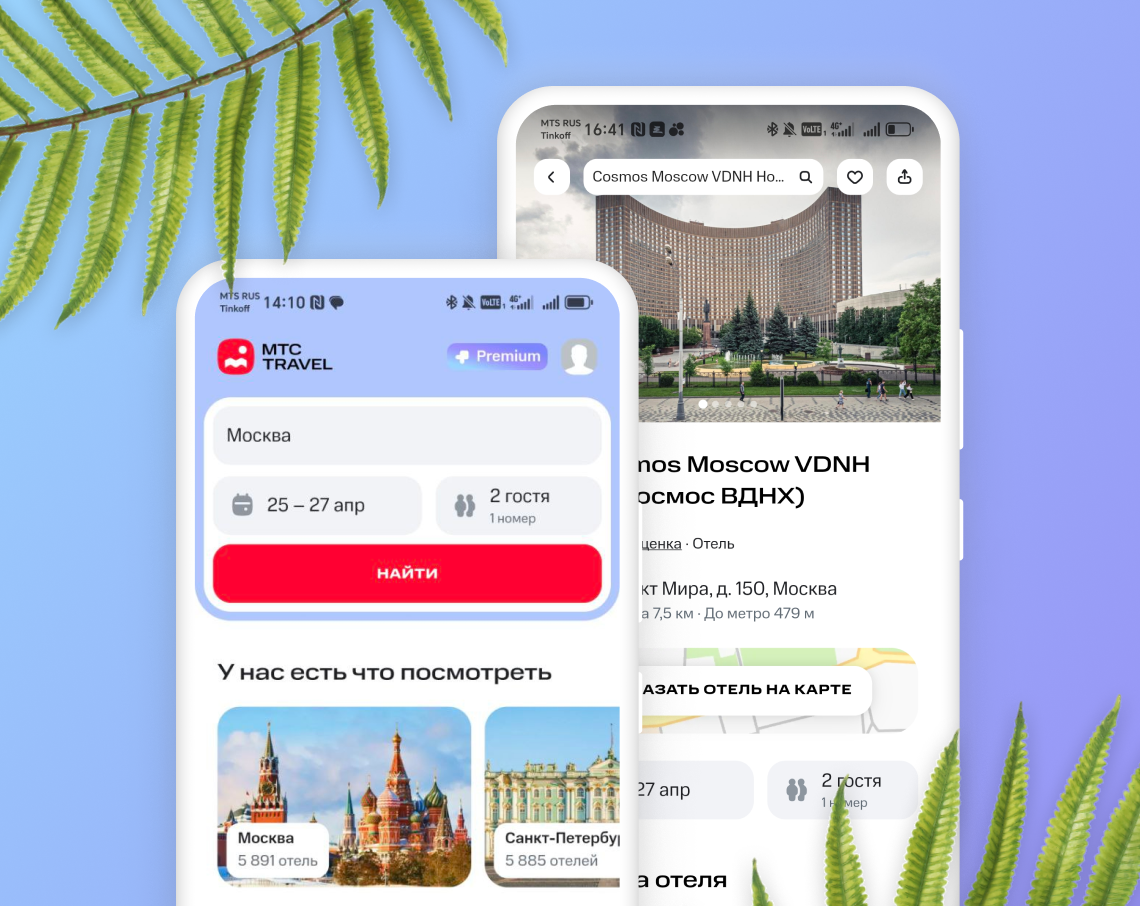
100 тыс.+ пользователей и 3000 часов разработки — Flutter MVP за 3 месяца
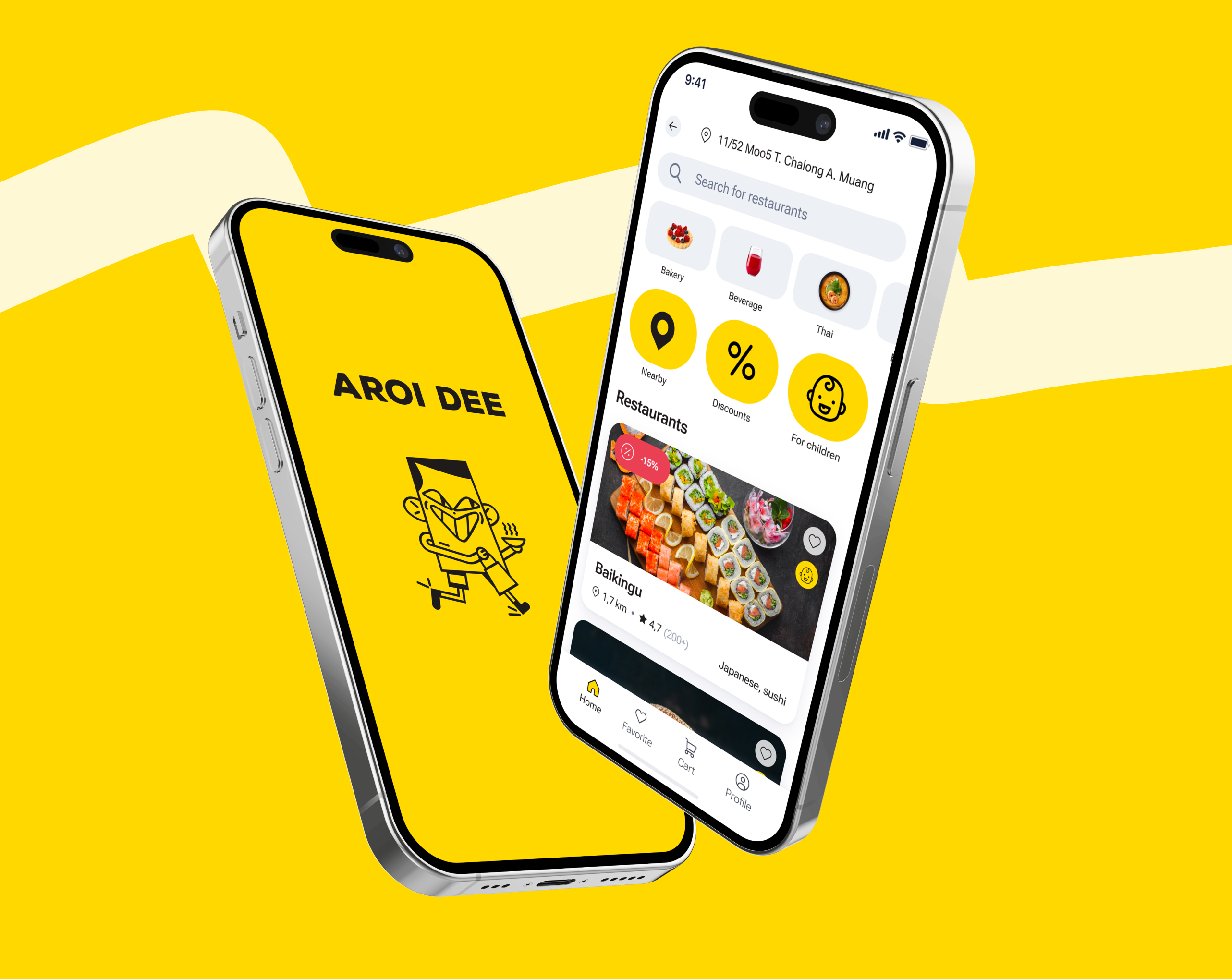
Тысячи скачиваний и шорт-лист Рейтинга Рунета — экосистема доставки еды на Flutter для Пхукета
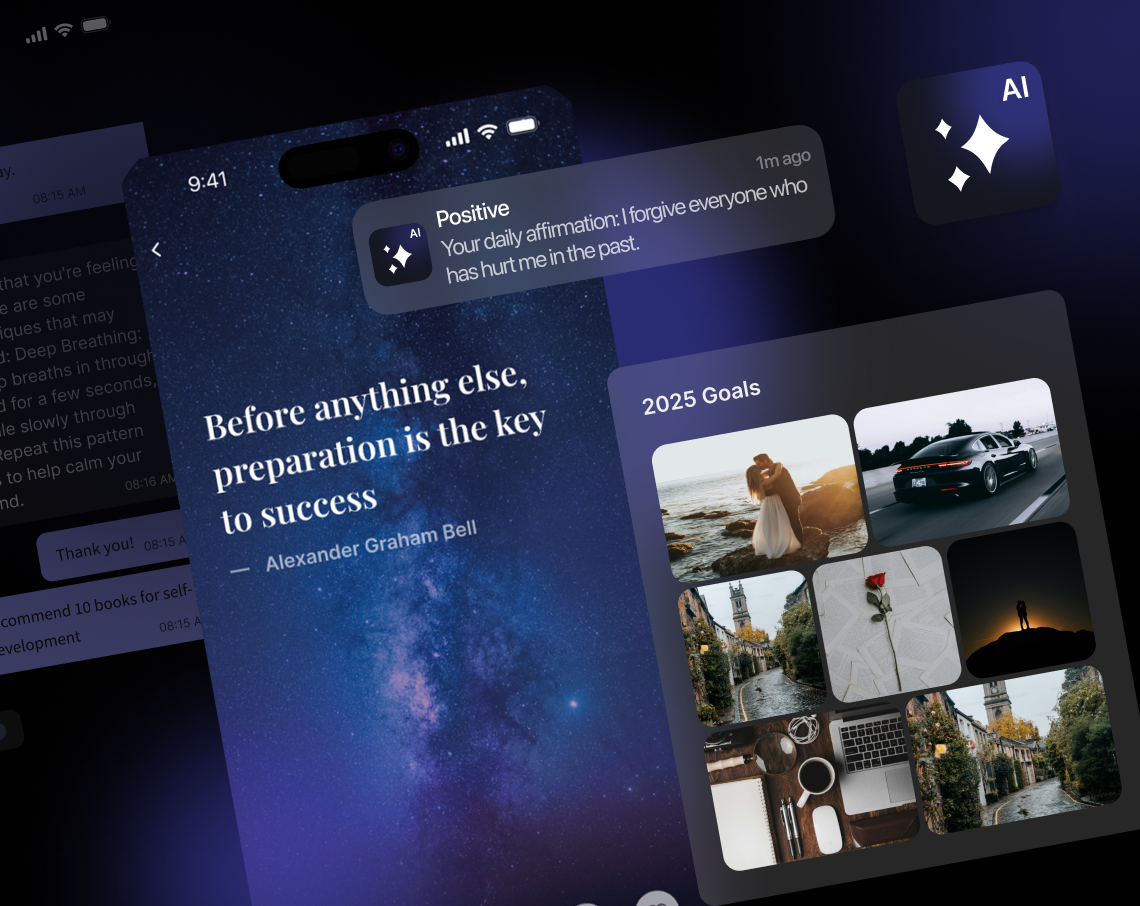
Flutter-приложение с ИИ-ментором — трекер привычек, который помогает обрести спокойствие и рост