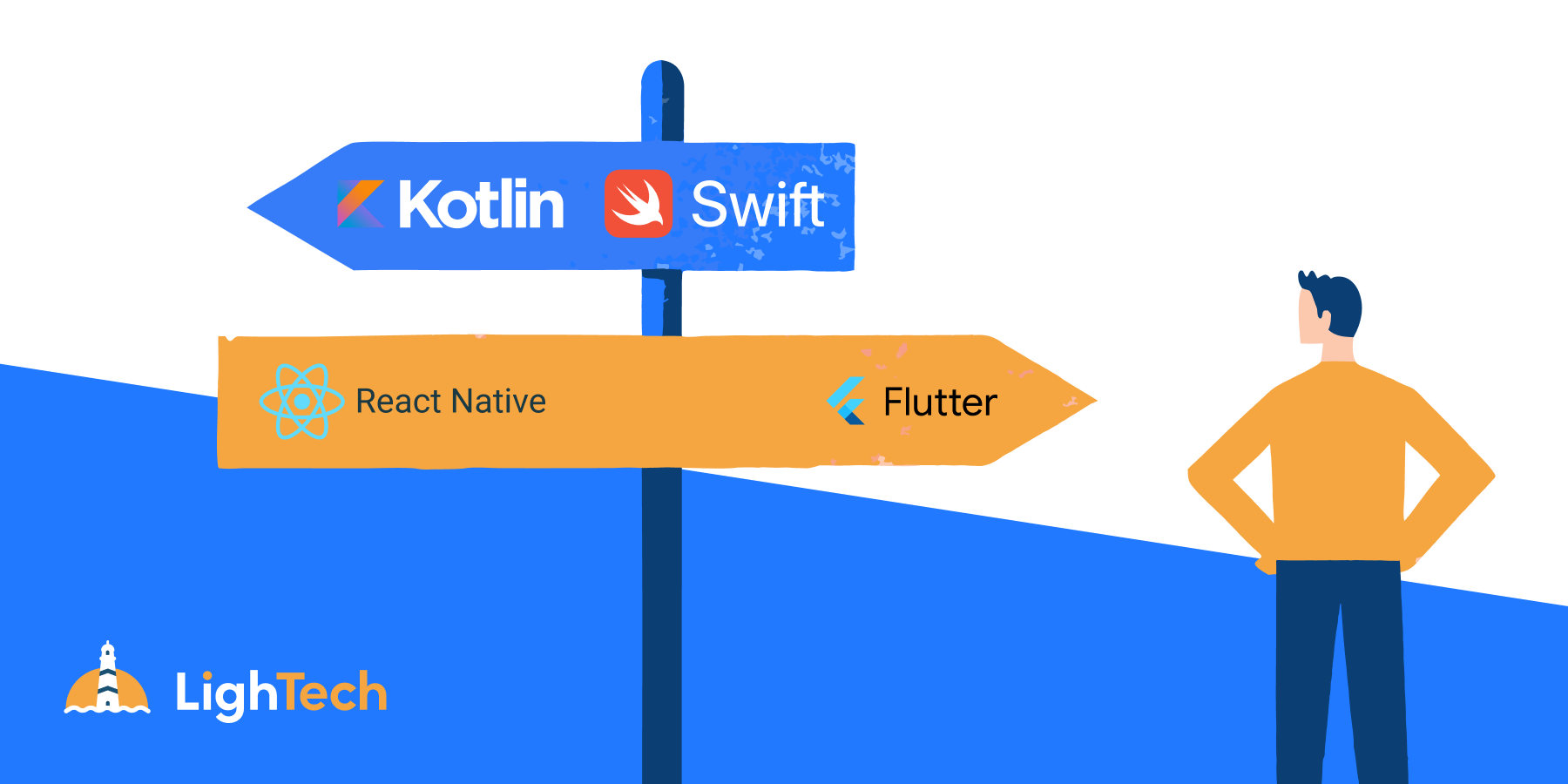
The success of a mobile app begins with identifying business needs. Only knowing the goals and objectives of the future product, you can make an informed decision about choosing between native and cross-platform development.
Let's look at the advantages and features of each approach to creating mobile applications. After reading the article, it will become clearer to you how to choose the most suitable option for your business.
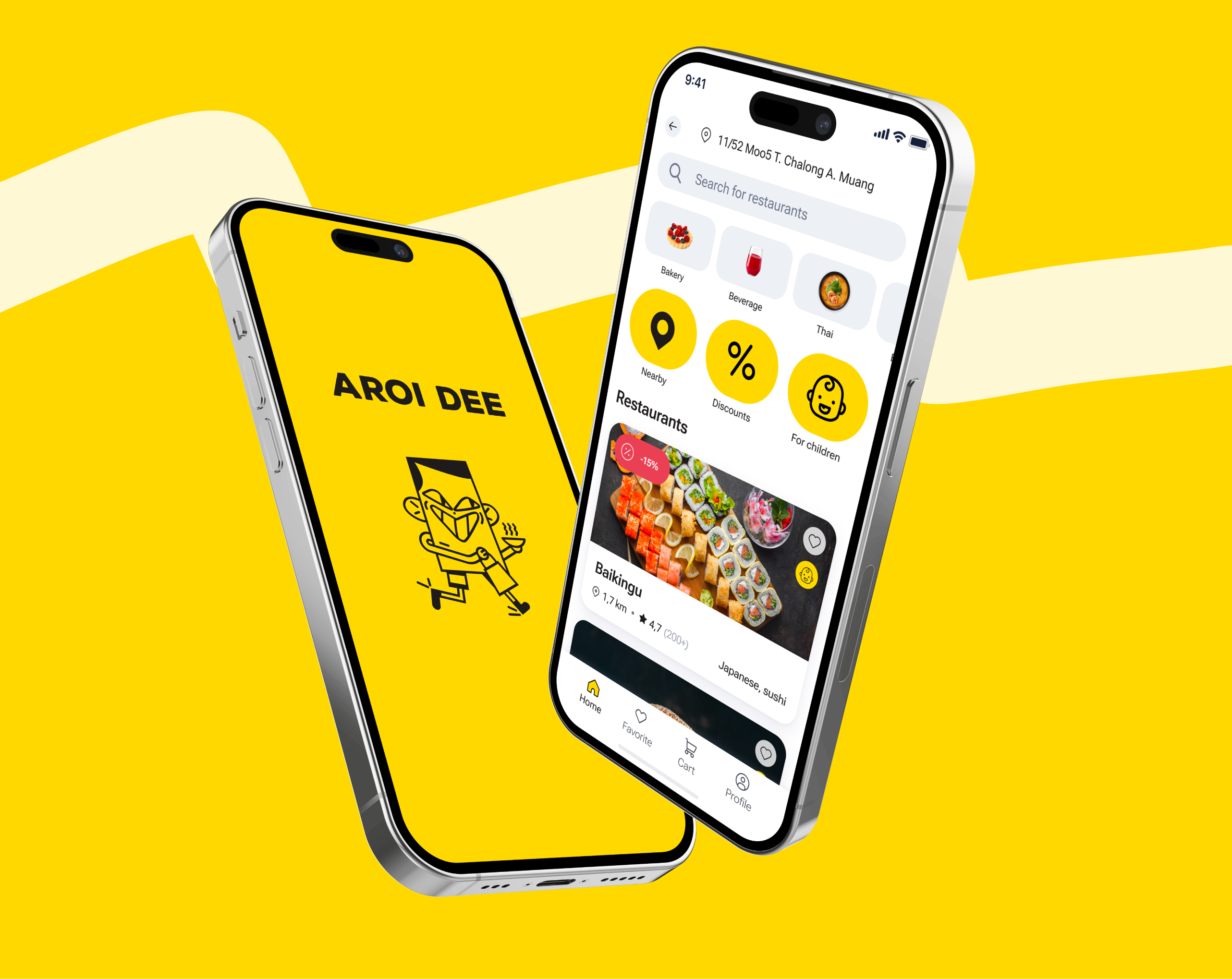
As our practice shows, businesses are increasingly turning to cross-platform solutions. For the most part, this is because it benefits companies operating in dynamic sectors, such as e-commerce, information applications, fintech, foodtech, corporate mobile management systems, educational and training platforms.
Cross-platform development allows developers to create apps that work equally well on both iOS and Android, saving companies time and resources. Such applications can be easily refined and scaled.
As for the other approach, specialized (native) languages are chosen to create applications for a specific operating system. In this case, Swift becomes the main tool for iOS development, and Kotlin becomes the main tool for the Android ecosystem.
Native languages are popular because applications run faster and more efficiently, and developers get direct access to all the features of the platform. For example, using Swift, a programmer can easily integrate the latest iOS features such as Face ID or ARKit.
If maximum performance and access to device-specific functions are important to you, native app development may be the best solution.
On the other hand, a cross-platform approach will help save resources when running on multiple platforms at the same time.
We will try to make sure that our review helps you make an informed choice that best meets the goals and expectations of the end users of your products.
Weekly reviews:
At the end of each key stage of the project, we make a presentation:
At the end of each month, we provide:
You will always be aware of the project status and will be able to monitor the work process.
Cross-platform means that the application can run on different operating systems and devices using a single code base.
Special frameworks are used in the development of mobile applications:


Let's explain which three popular frameworks are used to compile code into native versions.
| The framework | Description of the framework | Advantages | Application Usage Example |
| React Native | JavaScript technology, which creates products on iOS and Android using a "bridge" between JavaScript and native components. |
|
|
| Flutter | Google's Dart-based technology, designed to create high-performance applications with beautiful interfaces, compiles code into a native solution to achieve performance and cross-platform compatibility. |
|
|
| Xamarin | C# and are used .NET and ensures nativeness through the use of platform APIs. |
|
|
Flutter is used by large companies such as Rosbank, Magnit, MTS Travel, Yandex.Drive, and in the world of Uber, Alibaba, Google Ads and others. The tool supports styles for both Android (Material Design) and iOS (Cupertino).
Native mobile development is the creation of products that adapt to a specific operating system.
Developers use languages specific to each platform (for example, Swift for iOS and Kotlin for Android), which allows optimal use of device resources and achieve high performance.
Native applications have higher performance indicators. Seamless integration with device functions is achieved through the use of native code.


Below are a few basic frameworks used in development.
|
The framework |
What kind of platform is it |
What are the advantages |
Where it is applied |
|
Android Native |
Android applications are being developed. Java and Kotlin languages are used. Libraries and tools for creating software are provided. |
|
Google Maps, WhatsApp |
|
iOS Native |
iOS development with excellent integration, using Swift and Objective-C. |
|
Apple Music |
|
Xamarin |
Microsoft technology for creating products in C#. Cross-platform is supported. |
|
Corporate software, task management |
|
NativeScript |
JavaScript, TypeScript, or Angular are used. There is access to the native API. |
|
Products for managing health or fitness indicators. |
|
Parameter |
Native development |
Cross-platform development |
|
Efficiency |
Effective |
Lower cost |
|
Access to device functionality |
Full |
Selective |
|
Development time |
Longer duration |
Fast |
|
Cost |
Higher |
Below |
|
User experience |
Simple and straightforward |
It is not always adapted to a specific option |
If you are striving for maximum performance and smooth operation of a mobile application, pay attention to native development. Such applications use all the features of the device, be it a camera or GPS navigation.
Cross-platform development is suitable for quick access to multiple platforms. You can create an app for both iOS and Android simultaneously, saving time and resources.
Answer yourself four basic questions:
Start by making a list of the main features of your future mobile app. These can be different scenarios of user interaction. For example, the functions of table reservations and payment processing are critically important for the restaurant business.
Startup time often plays a crucial role. If you want to test the viability of an idea in a real market, it is more rational to choose the path of rapid development.
When you plan to hold a promotion or launch a new product in the coming months, cross-platform development may be the best choice. For example, if you are launching a new cafe and want to quickly create a pre-order program, using cross-platform technologies will allow you to enter the market faster.
The cost of mobile development is influenced by various factors, such as the functionality of the future application, the choice of platform and development tools.
There are many frameworks for cross-platform development, each with its own features and cost. Your budget directly affects the choice of technology. Cross-platform is usually more economical due to the ability to use the same code for multiple platforms. Native is more expensive in the short term, but it has its advantages, which we wrote about in this article.
The choice should be based on the specific requirements of the project, budget and long-term goals. Our developers will always be able to help you weigh the pros and cons of each approach and choose the best solution.
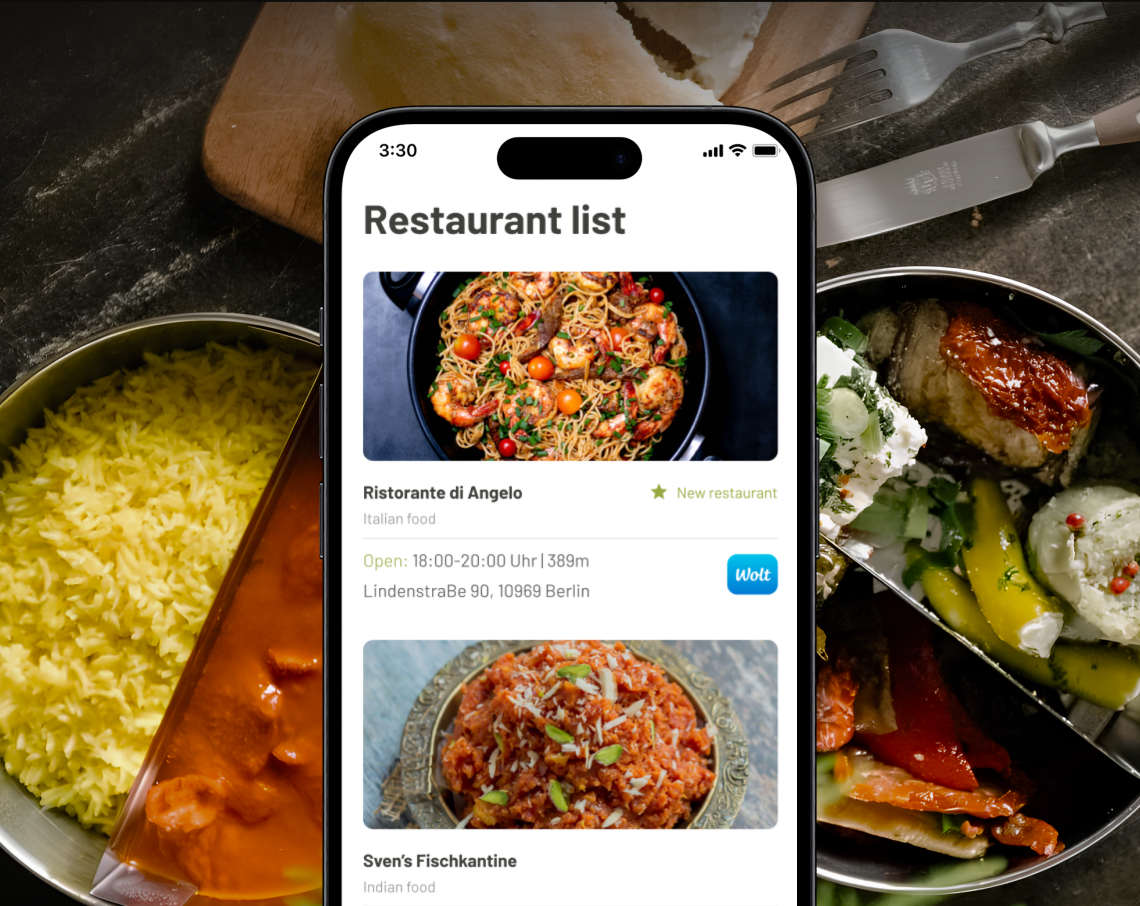
Let's take a look at the difference between native and cross-platform mobile development using a specific example of our Tiffin Loop project.
Our team was tasked with developing an unusual reusable tableware rental service that would help reduce waste and provide convenience for partner restaurants and customers.
We understood that the choice of technology would affect the speed of market entry and the quality of the product. After the analysis, we settled on Flutter.
Why did we come to this decision? We have clearly shown you on the diagram.
Flutter development has helped to optimize the process of creating a digital product and reduce costs due to the following advantages:
With Flutter, we were able to create an attractive and intuitive interface that users appreciated.
We hope that our article and case study have helped you better understand the specifics of implementing projects in cross-platform and native application development. If you have your own experience developing mobile applications at the junction of these two methods, share them with us!