
Ten years ago, it was enough for a manager to walk around the office to assess how the team was working: who was immersed in the task, and who was scrolling through the tape on his phone. So, visually and live, it was possible to understand the level of employee engagement and productivity.
Today, everything is different — a significant part of the specialists work remotely, and the usual way of monitoring work processes has become irrelevant.
In order to maintain transparency and understand how time is allocated, where focus is lost and how productivity is growing, companies have begun to actively implement time trackers for employees - tools that record how many hours are spent on certain tasks and what exactly an employee is doing.
However, the perception of these tools is mixed. For some, it's a way to become more organized and manage their time consciously. For others, it is a symbol of distrust and control.
So where is the line between efficiency and total control?
A time tracker is a tool that helps you understand where your working hours are going. It records how many hours an employee spends on tasks and shows how his day is distributed. For example, how long it took to meet, write to a client, or work on a project.
Using the time tracker, you can assess workload, improve planning, and increase productivity for both an individual employee and the entire team.
Most often, such a tool is integrated into the project management ecosystem as a separate function. The time tracker becomes not a separate control system, but a part of the overall performance picture.
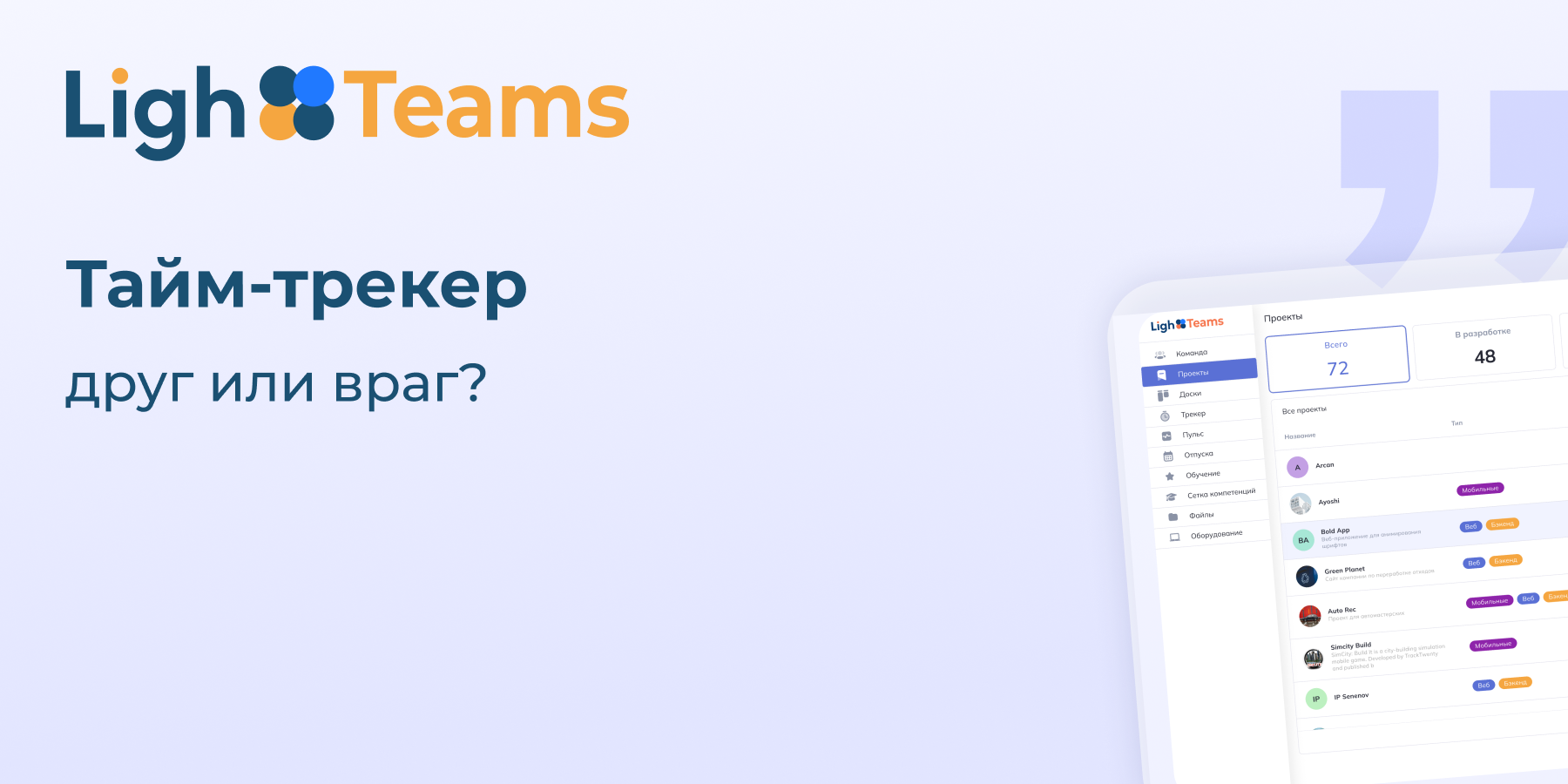
For example, in the LighTeams project management system, the employee time tracker works in conjunction with tasks on the kanban board: you can connect it to a specific task, view analytics and build reports. This way you can understand at what stages resources are being lost and where process optimization is required.
The reasons why businesses turn to such tools are often rational.:
Objective assessment of productivity — especially when working remotely, when it is difficult to understand who is doing what.
Transparency in awarding bonuses — the time tracking function shows engagement and activity.
Business process analysis helps to identify where tasks are stuck, who is overloaded, and where automation is required.
In many companies, data from time trackers helps to set up workflows. In consulting, for example, they show how much time it takes for a particular client, so it's easier to calculate the cost of a project and explain it to the customer. In the IT field, you can see how much time is spent on different types of tasks - development, code review, testing, or user support.
Managers see how resources are allocated and can adjust the workload in time, while employees learn to plan their day more accurately and avoid overwork. As a result, the company has an understanding of what is really going on within the team — and how to make work faster, easier and more comfortable for everyone.
There is also a downside. The problems begin when the time tracker ceases to be an analysis tool and turns into a pressure method. If a manager uses it not to understand processes, but to constantly monitor them, trust within the team quickly collapses.
When a system with a time tracker also takes screenshots, records audio, or even monitors through a camera, it's no longer about productivity, but about total control. In such an atmosphere, employees feel like they are being watched. Motivation is falling, creativity is fading, and it is precisely on these qualities that intellectual work is based.
Imagine if an architect or designer were told, "We want to know how many minutes you thought and how many minutes you painted." It sounds absurd, but similar approaches are still found in IT, marketing or analytics.
A time tracker is just a tool. Its value is determined by whose hands it is in and for what purpose it is used. In some companies, it helps to grow and develop, in others it turns into a source of pressure. It all depends on the choice of the leader: to control or to trust.
It turns a subjective assessment into quite measurable data. The manager sees how much time each stage of the project actually takes. This way you can more accurately predict deadlines and budgets, identify bottlenecks, and optimize resources.
Yes, but there are nuances. Creative professionals often work in the "idea phase," where results are not measured in minutes. For such roles, it is important that the tracker does not record micropauses, but reflects the general blocks of work — the concept, edits, presentation. For example, in LighTeams, a time tracker can be connected to a specific task for project management.
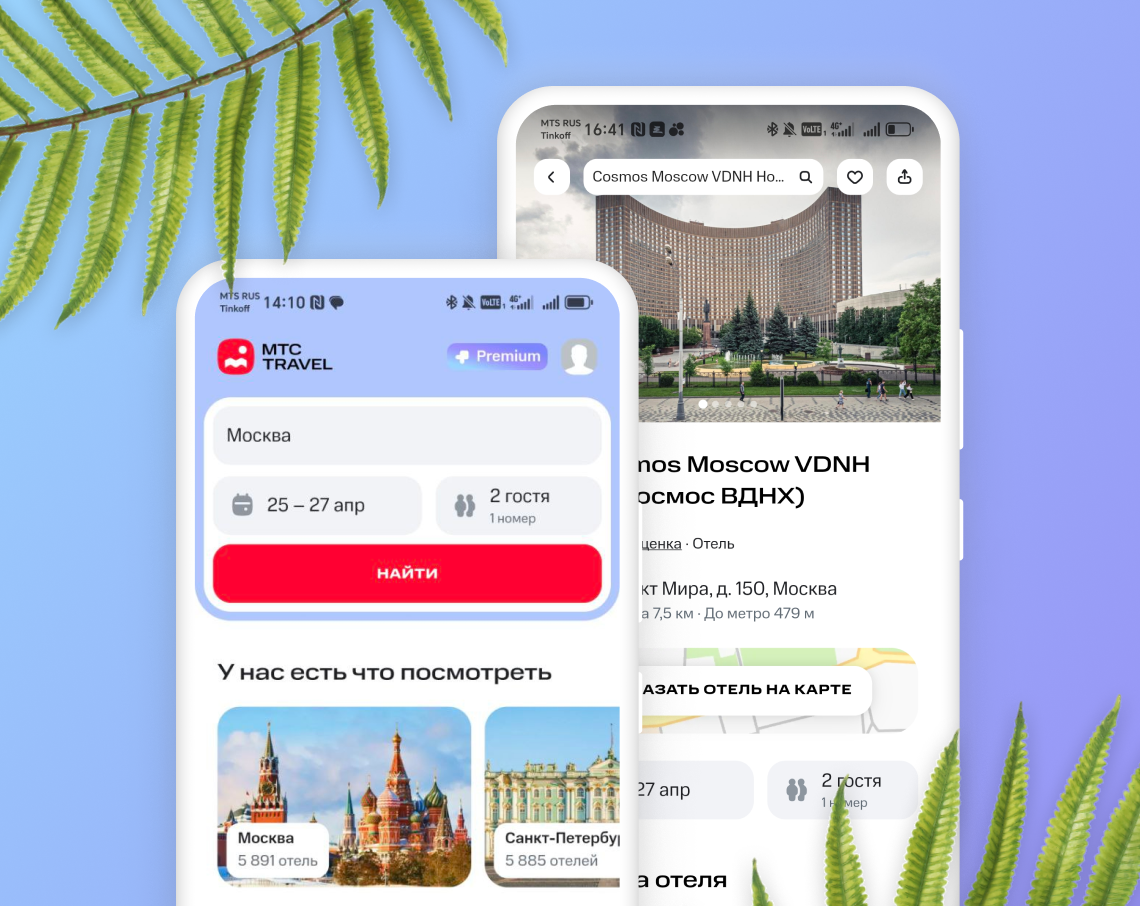
100 тыс.+ пользователей и 3000 часов разработки — Flutter MVP за 3 месяца
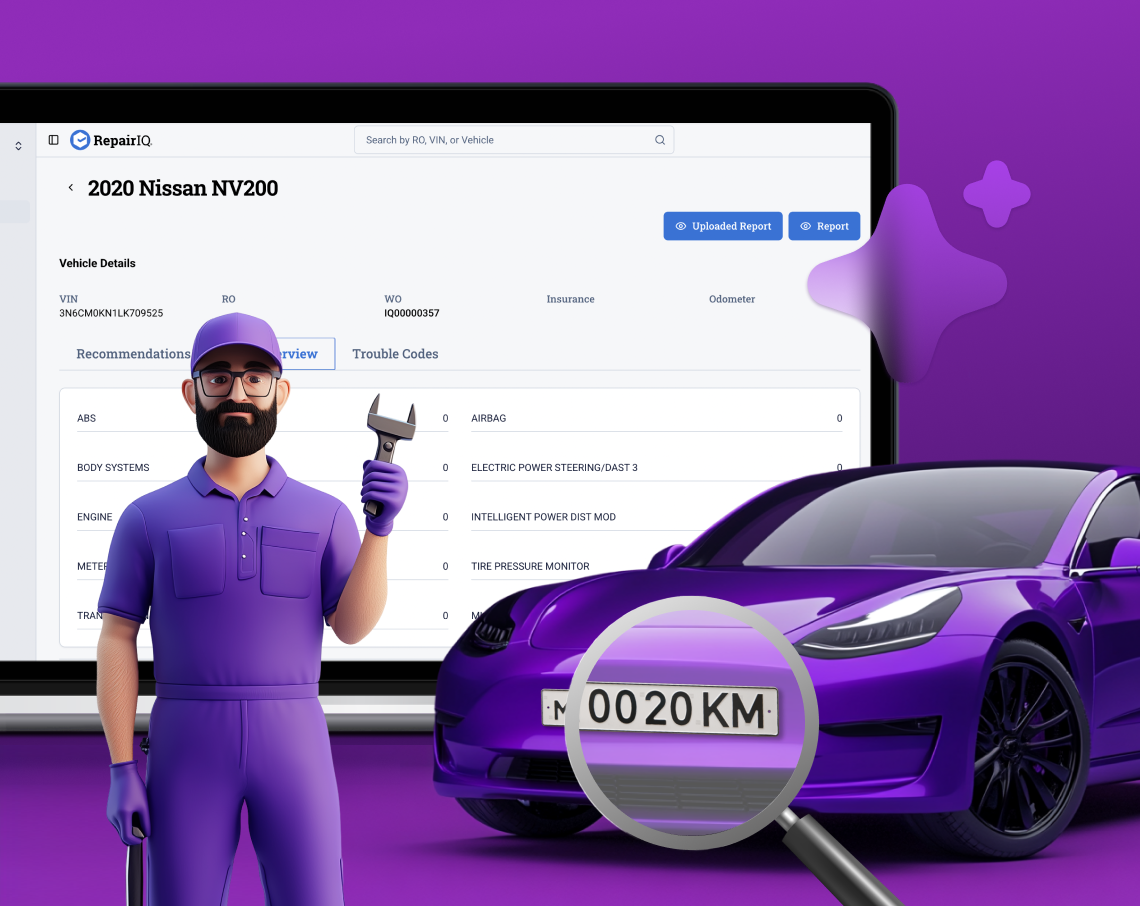
Автодиагностика будущего — облачная платформа с ИИ и LPR
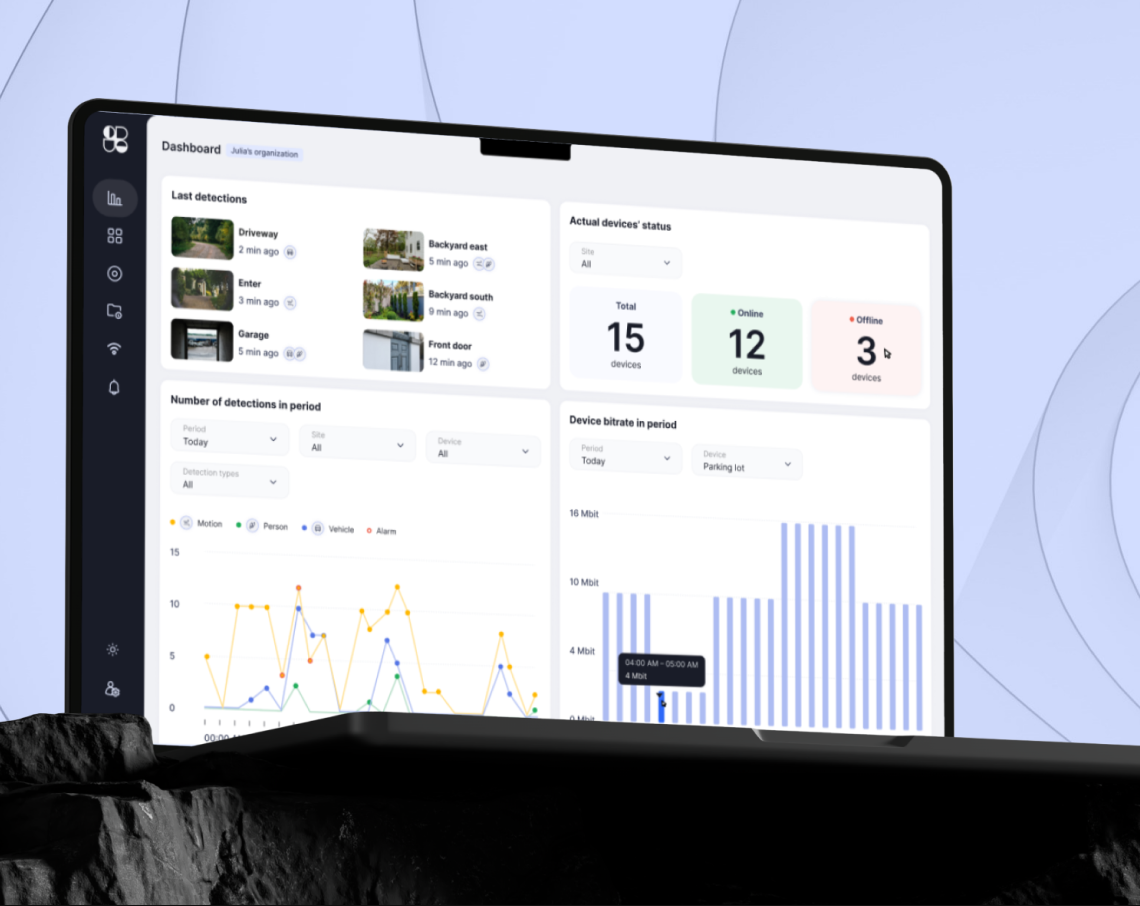
Умное видеонаблюдение — облачная масштабируемая платформа с мобильным доступом и ИИ-аналитикой для бизнеса и госструктур
