
Teamwork can be a source of inspiration and drive, or it can turn into a real nightmare. In almost any business area, success depends on how effectively employees are able to work together. At the same time, few people are limited to one team: most specialists simultaneously participate in several projects.
The question arises: how to maintain order and at the same time efficiently distribute tasks?
In cross-functional projects, the distribution of tasks becomes especially difficult: roles overlap, teams interact with each other, and the boundaries of responsibility blur. To avoid conflicts and loss of control, it is important to make the roles transparent and agree on the "area of responsibility" of each.
One of the simplest and most obvious ways is through role—based arrangements. Each participant receives a checklist where they record three points: the name of their role, its main purpose, and promises to colleagues. Then the team "exchanges requests": they mark with stickers what additional commitments they would like to see from others.
This is how working arrangements and tasks are born, distributed based on the technical skills of the specialists in the team. In order for the method to remain relevant, such sessions should be repeated every few months. As a result, instead of arguing "who's to blame," the team learns to discuss roles and systematically adjust interaction.
If you need to determine responsibility for each task, the RACI matrix helps. Four roles are fixed here: the performer responsible for the result, the consultant and the one who is kept informed. This approach removes confusion, especially when multiple departments overlap in a project.
On the kanban board, tasks are visually divided into stages ("in progress", "on review", "done"), and the team sees the workload, priorities, and bottlenecks of the process at any moment. We have already written in more detail about what a kanban board is and what it is used for in project management.
This is another approach to task allocation and process organization. The Agile methodology is based on working in short cycles (iterations), constant feedback and flexibility in changing priorities. With this format, you can quickly respond to new inputs, maintain transparency within the team, and keep your focus on the result.
Agile works well where it is impossible to plan the entire project in advance — the team gradually clarifies requirements, checks hypotheses and adjusts tasks as it progresses.
No matter what method the team uses, it is almost impossible to achieve effective task allocation without a unified project management system. In a single job, a list in a diary or a mobile application is enough. In a team, assignments scattered through chats, emails, and verbal agreements are inevitably lost.
In user-friendly project management systems, task statuses are visible, deadlines are fixed, discussions and results are saved. Unnecessary clarifications are eliminated. There is no need to ask "at what stage is the task?" or "where can I find information on this feature?" — everything is displayed on the general board.
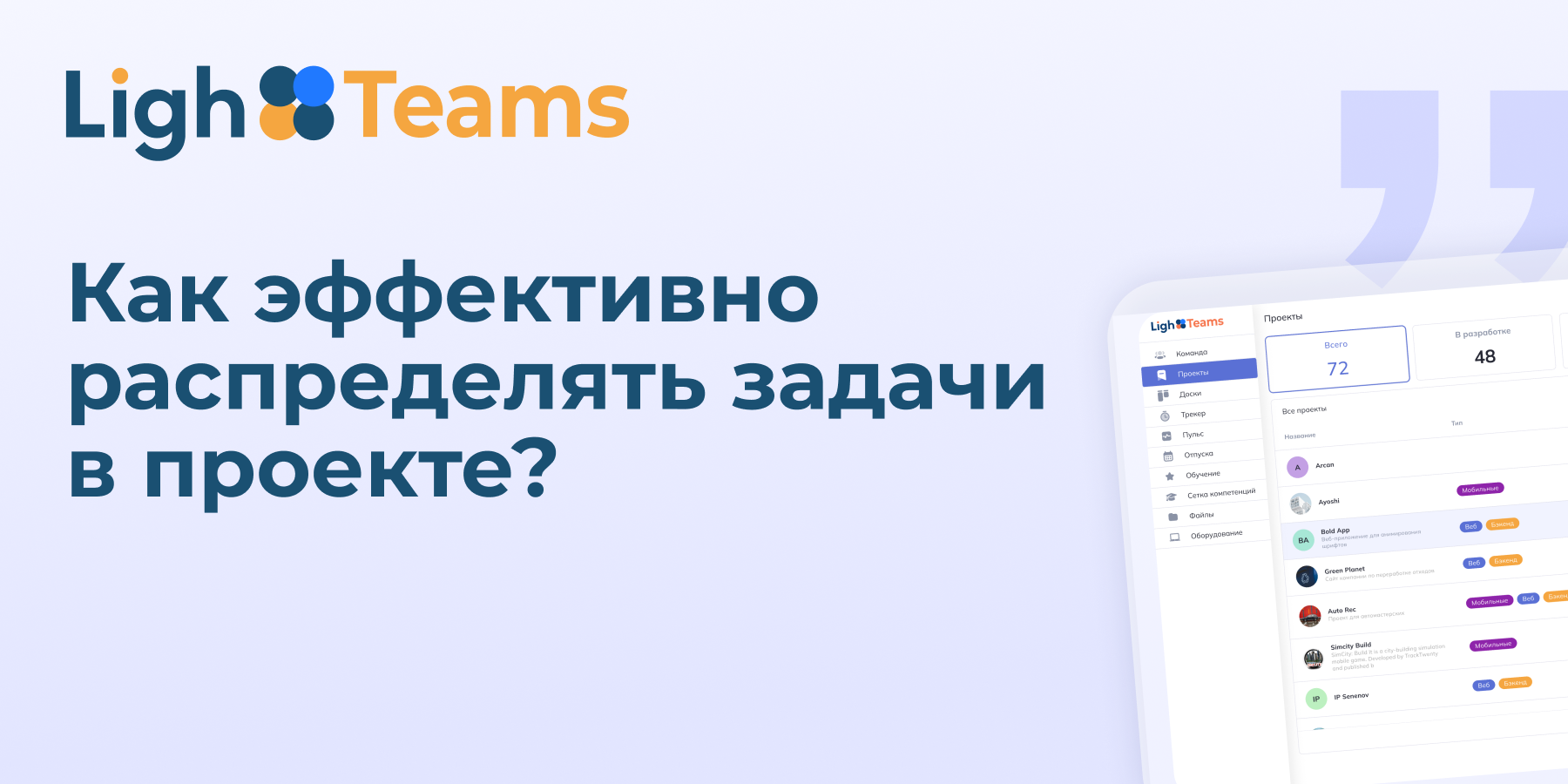
Today, companies have many options — Notion, Trello, Asana. At LighTech, we went further and developed our own LighTeams solution. We needed to combine several services in one application: kanban boards, a time tracker, an employee training system, and automation of HR processes. This way you can keep projects under control and also develop the team.
Effective task allocation in a team is only part of the success. It is equally important to maintain healthy communication and a working climate. Here are some practical tips.
|
The Council |
What it gives |
|
Set clear goals. |
Awareness of the big picture, the connection of personal contribution with the result, visible progress motivates |
|
Communicate regularly |
Short syncs help to see the workload of colleagues and keep the team informed. |
|
Understand the differences |
Taking into account strengths allows you to correctly assign roles and tasks. |
|
Create a healthy climate |
Trust gives you the opportunity to openly offer ideas, discuss mistakes, and grow. |
|
Learn to argue respectfully |
Constructive discussions help to find the best solutions. |
|
Celebrate your successes |
Regular recognition of even small victories keeps you motivated. |
At LighTech, we focus on communication within the team for a reason. Therefore, the turnover rate in our company remains minimal. A productive and well-coordinated work environment equals successful projects.
Beginners should be assigned tasks with a lower degree of risk, but with the opportunity to learn, and more experienced employees should be assigned key and strategic tasks. It is important to build mentoring within the team: this accelerates the development of newcomers and unloads the manager.
Burnout is often associated with constant overload and lack of control over work. Our HR manager, Louise, has already written about why employees burn out. To prevent this, it is important to distribute tasks evenly, take into account the personal characteristics of employees, and introduce regular meetings where not only progress is discussed, but also the well-being of the team.
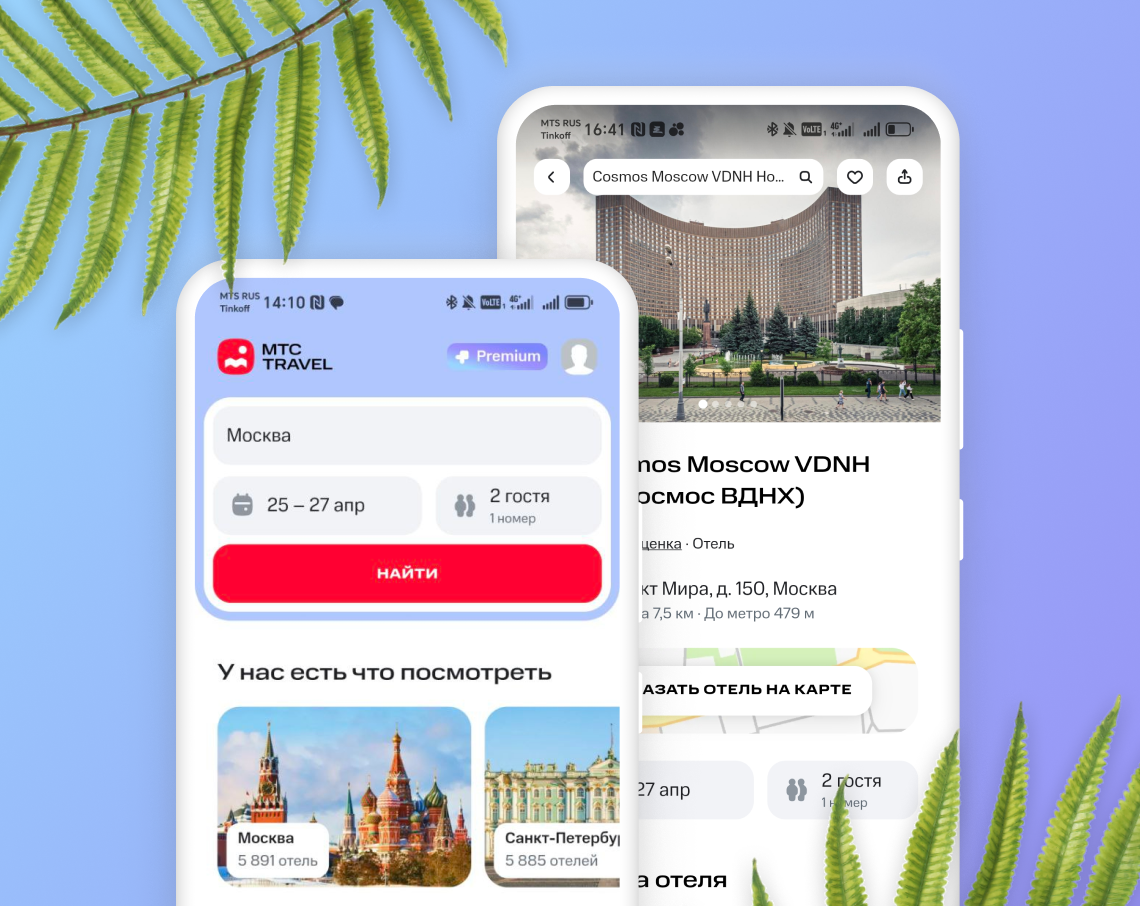
100 тыс.+ пользователей и 3000 часов разработки — Flutter MVP за 3 месяца
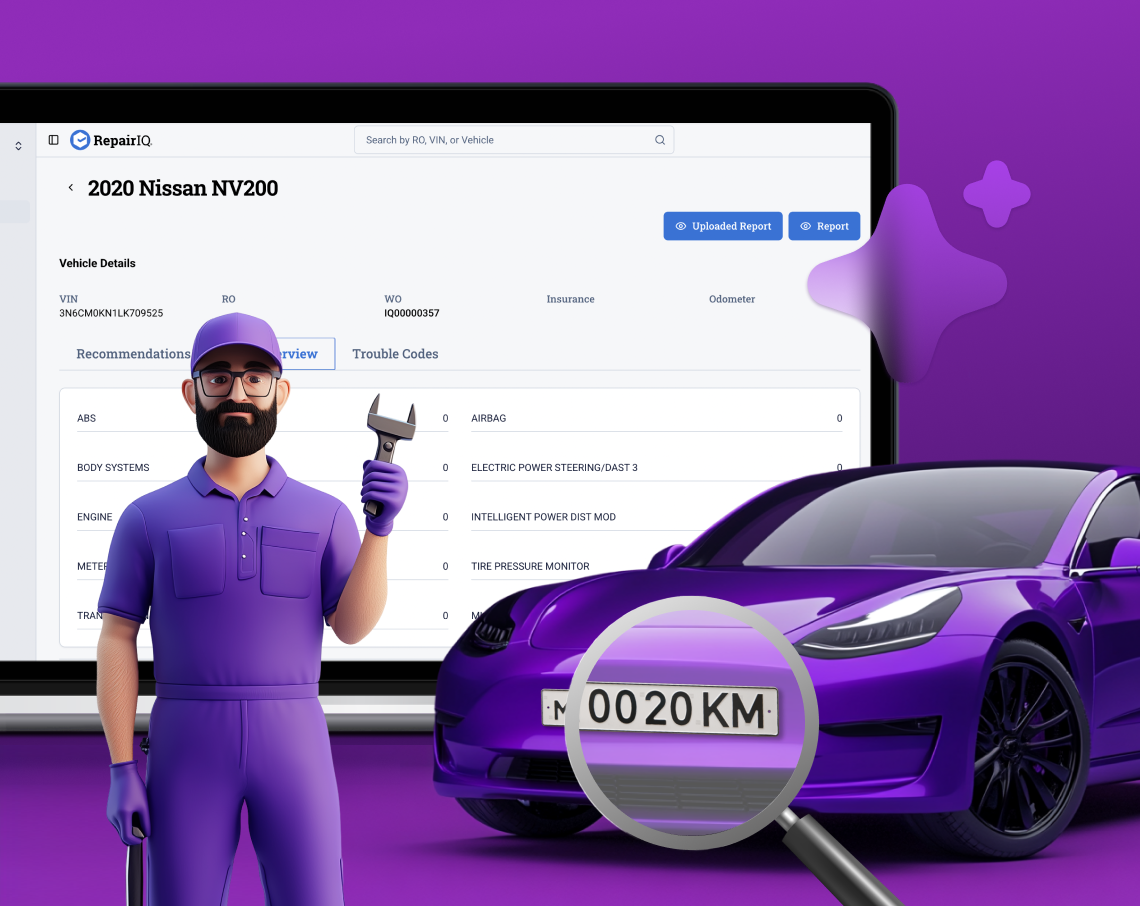
Автодиагностика будущего — облачная платформа с ИИ и LPR
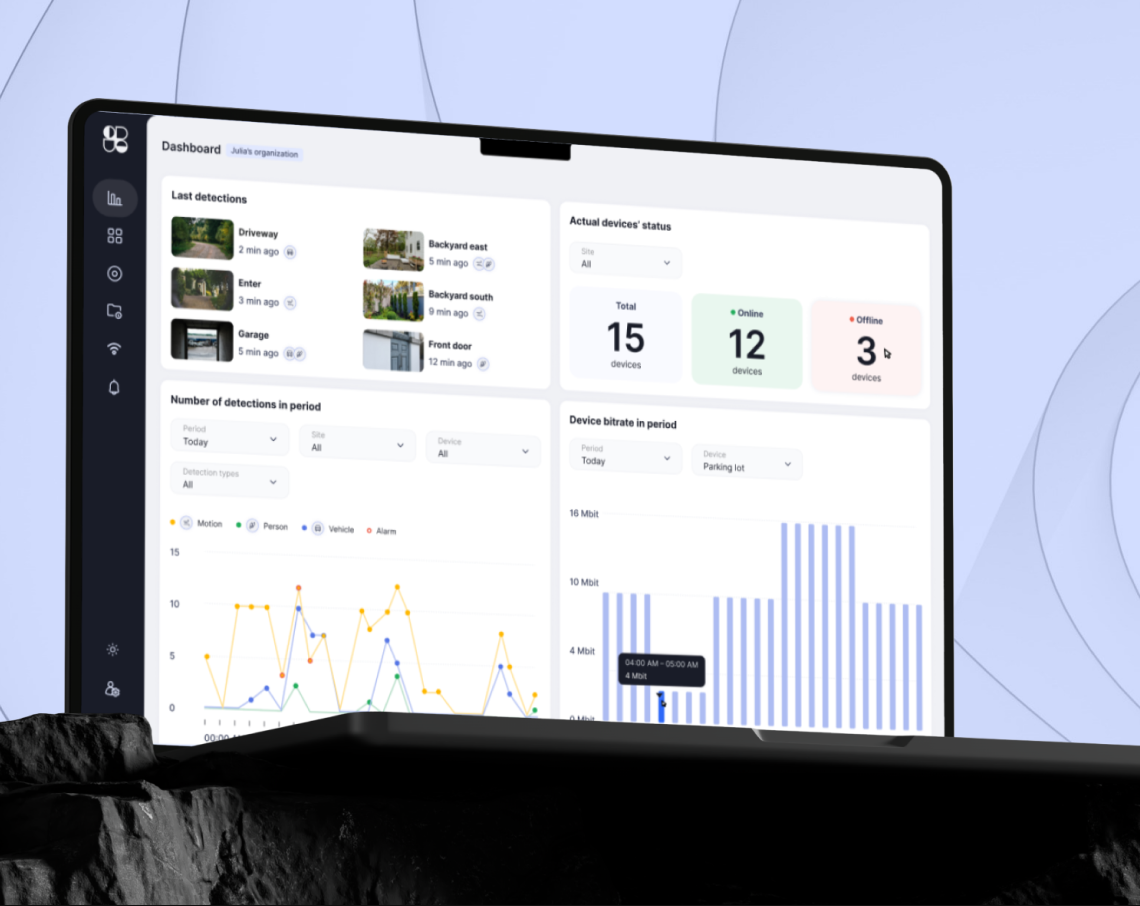
Умное видеонаблюдение — облачная масштабируемая платформа с мобильным доступом и ИИ-аналитикой для бизнеса и госструктур
