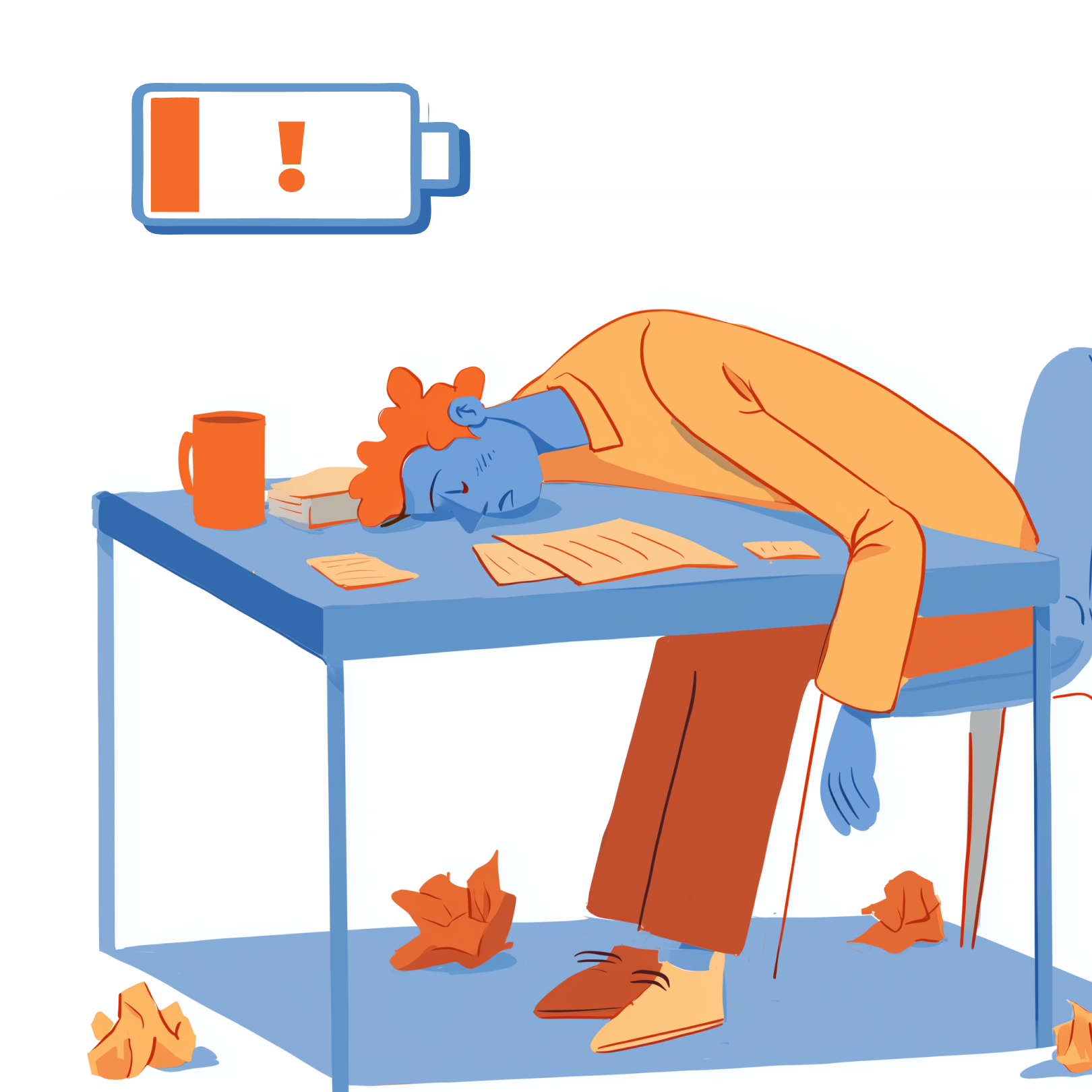
The idea of creating a competence map within companies usually does not arise by chance. Unforeseen situations can arise in any team when a strong employee leaves, and valuable knowledge leaves with him.
As a result, the distribution of tasks becomes uneven. Some of the work is concentrated by specialists with narrow expertise, and it is not always clear who will be able to take up the task in the event of a vacation, illness, or dismissal of a colleague.
The competence map is a practical tool for visually displaying the skills and areas of a team's development. It is most often presented in the form of a table.:
The key skills and competencies that are important for the job are listed along the lines.;
The columns show employees or roles within the team.
The skill proficiency level is indicated at the intersection (in the format of a self-assessment or expert assessment). Thanks to this tool, managers and employees themselves can see which competencies have already been closed, where there are gaps, and which areas should be developed.
The tool is useful for any team, department heads, and HR specialists. He helps:
Spot risk areas in time, for example, when completing a task is tied to one person.
Reduce dependence on other teams and speed up work processes.
Distribute the workload more evenly and involve employees in related areas.
To reduce the risks associated with the concentration of knowledge of only one main specialist.
To make task setting and team assessment more transparent and objective.
Understand which competencies are really important for this particular team.
Create requirements for new vacancies faster and more accurately.
With a map, the team clearly sees where its strengths are and where its bottlenecks are. Employees can help each other and feel responsible not only for their tasks, but also for the overall result.
Drawing up a list of competencies
Put together a list of skills and knowledge needed for your project or product. It usually includes 30-40 items: technologies, tools, methods, processes, and communication skills. Evaluate the importance of each competence (which are critical and which are secondary).
Employee self-assessment
Employees evaluate their level of competence. The assessment is subjective, but it is considered correct and is not criticized. You can add information about your willingness to study or train colleagues. At this stage, it becomes clear which competencies are well represented and which require development.
Action plan
Based on the data, a plan of specific steps is drawn up.:
- who can pass on what knowledge to colleagues?;
- what kind of training or workshops can be conducted;
- which resources (articles, videos, podcasts) should I use?;
- what tasks can be delegated to beginners for practice.
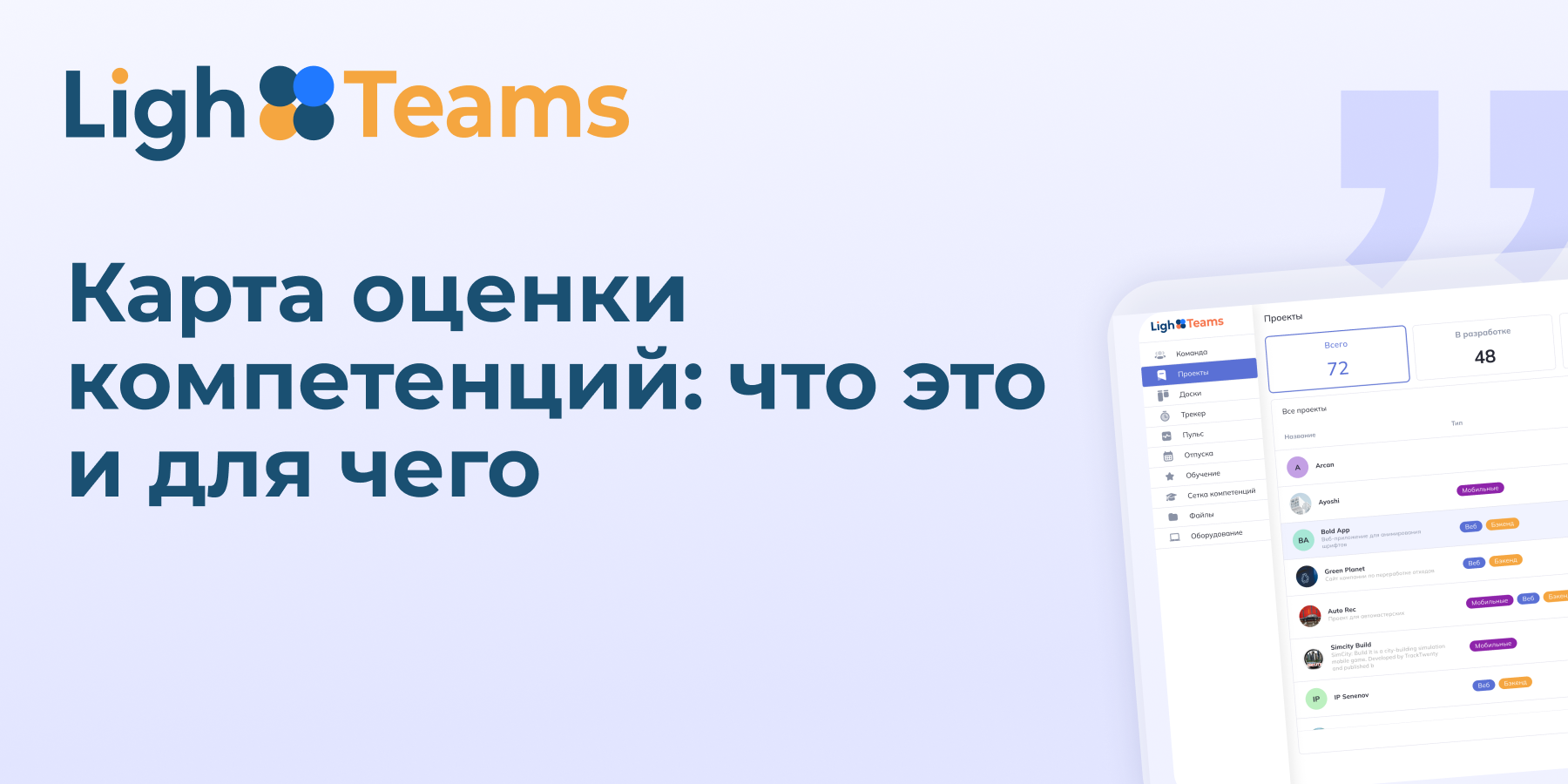
On its basis, individual development plans are formed: training, mentoring, new tasks. To systematize this process, it is convenient to use tools like LighTeams, where the competence map is integrated into the professional development module.
100 тыс.+ пользователей и 3000 часов разработки — Flutter MVP за 3 месяца
Автодиагностика будущего — облачная платформа с ИИ и LPR
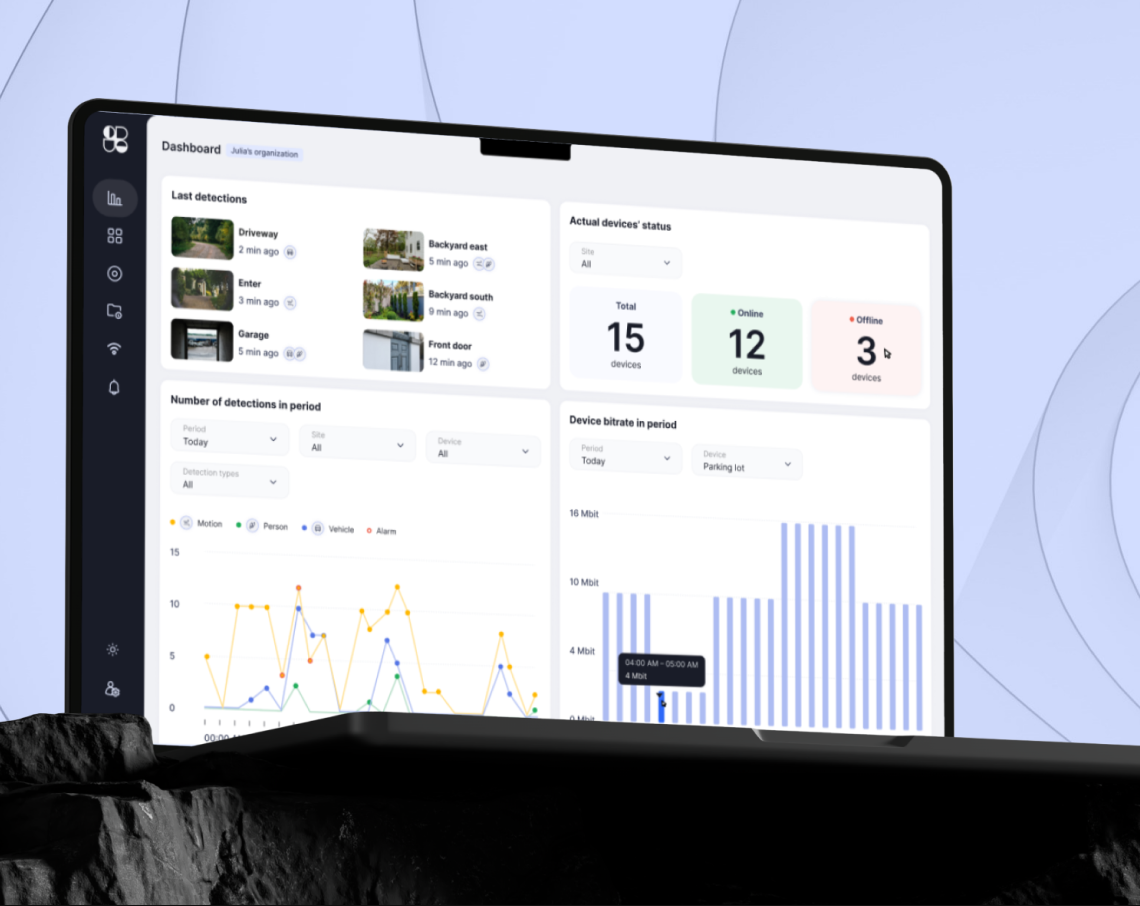
Умное видеонаблюдение — облачная масштабируемая платформа с мобильным доступом и ИИ-аналитикой для бизнеса и госструктур
This creates the basis for mutual assistance and professional growth. Even if a beginner spends more time on a task, it contributes to the future of the team: a talent pool appears and resilience in difficult situations increases.
The Professional Competence Map helps companies find answers to important questions in a timely manner:
does the employee get opportunities for growth;
Is he motivated enough;
does he see a prospect for himself in the team and the company.
With this tool, the risk of losing key specialists is reduced. The map includes not only hard skills, which are professional skills, but also soft skills, which are qualities that affect employee engagement, engagement, and retention.
The map has become a roadmap for employees. It helps you understand where you need to develop. And for businesses, this is a way to close training gaps in time and retain strong specialists.
To systematize training and track progress, it is convenient to use tools like LighTeams, a project and business process management system. In it, the competence map can become part of the overall employee development process.