
Agile (flexible or agile in English) is an approach to managing teams and projects based on the ability to quickly respond to changes and adjust the work plan.
Unlike traditional "hard" planning, where a complete action plan is first drawn up and then strictly implemented, Agile suggests moving towards the goal in short steps — iterations.
The methodology originated in the IT field, but quickly expanded beyond it and became in demand in a wide variety of industries. The world is changing too fast, and companies can no longer afford to spend years implementing a strategy that will become outdated during this time.
To understand how Agile works, let's look at its four key values and twelve principles, which were formulated in the famous Agile Manifesto of 2001.
|
The value of Agile |
Decoding |
|
1. People and communication are more important than processes and tools. |
Live interaction in a team is always more effective than formal rules and complex regulations. |
|
2. A working product is more important than documentation. |
The priority is to create a solution that can be used right now, rather than wasting time on endless descriptions. |
|
3. Cooperation with the client is more important than the terms of the contract |
Regular dialogue helps to better understand the real needs of the customer and adjust the course as the project progresses. |
|
4. Willingness to change is more important than following a plan. |
Project conditions can change, and flexibility allows you to adapt faster and find work solutions. |
The Agile manifesto consolidated the values through 12 principles. Here is a brief overview of them:
1. Regular and early deliveries of valuable product.
2. Welcoming changes to requirements at any stage.
3. Frequent deliveries of a working product (from a couple of weeks to a month).
4. Constant interaction between business and developers.
5. Face—to-face communication is the best way to convey information.
6. The main indicator of progress is a working product.
7. A steady work rhythm that the team can maintain for a long time.
8. Constant attention to quality and technical excellence.
9. Simplicity and avoiding unnecessary work.
10. Self-organization of teams: decisions are made within the team.
11. Trust in professionals and create conditions for their effective work.
12. Regular retrospection and search for ways to improve processes.
In reality, Agile manifests itself through a set of tools and practices. We adhere to the classical approach. Managers and the LighTeams project management system help the team keep the process under control. Tasks are conveniently distributed on kanban boards, the progress of work is transparent, and detailed reports are generated for each iteration.
The basic techniques for working with Agile look like this:
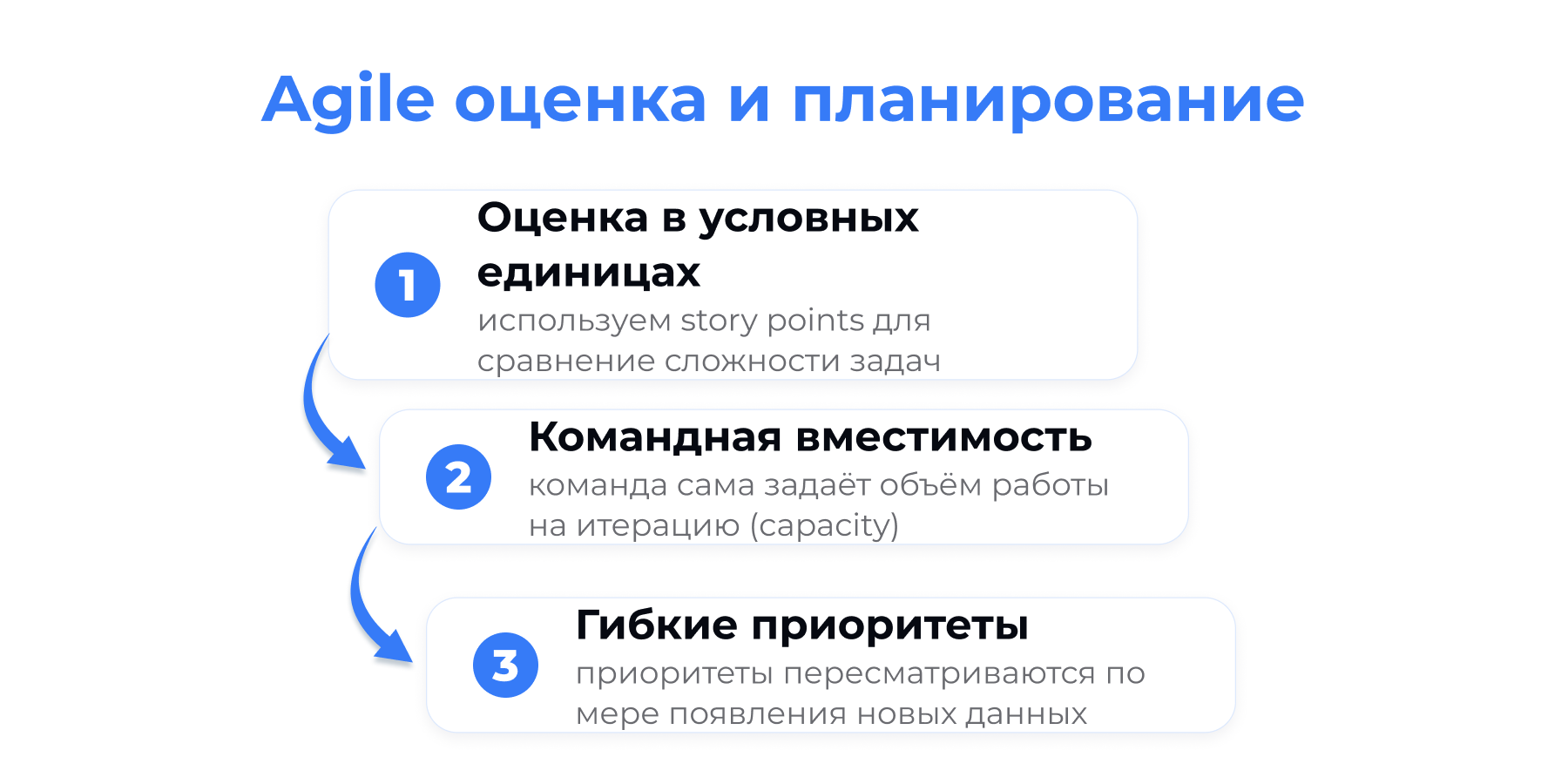
One of the key Agile tools is a sprint (a limited amount of time). It usually lasts from 1 to 4 weeks. During this period, the team works on specific tasks and strives for tangible results.
The main value of a sprint is focus. While the cycle is going on, the team focuses only on those tasks that have been planned, and does not disperse on minor things.
It is important to choose the right duration: sprints that are too long lose momentum, and too short ones may not give you time to work out ideas. The team must remain engaged and reach new results quickly.
Agile project management is not just about tools like scrum boards, sprints, or regular meetings. It is based on a mindset and culture that helps companies not to freeze in the zone of "best practices", but to learn to experiment, respond to the market and listen to customers.
Over time, any team goes through different states: from simple and predictable processes to more complex and confusing ones, and sometimes to entanglement. In such transitions, Agile planning acts as a navigator: it helps to quickly return focus, test hypotheses and build new sustainable practices.
To summarize, Agile flexible planning is the foundation on which you can rely when choosing any management models: Kanban, Scrum, scalable frameworks or hybrid formats. Ultimately, it helps not just to manage processes, but to create products and solutions that are truly valuable to users.
Advantages of sprints in a team:
The main value of Agile Agile planning is to create an environment where trust, transparency, and willingness to change become the norm. Then the techniques and frameworks do not work by themselves, but strengthen the team and create conditions for the growth of the company even in conditions of high uncertainty.
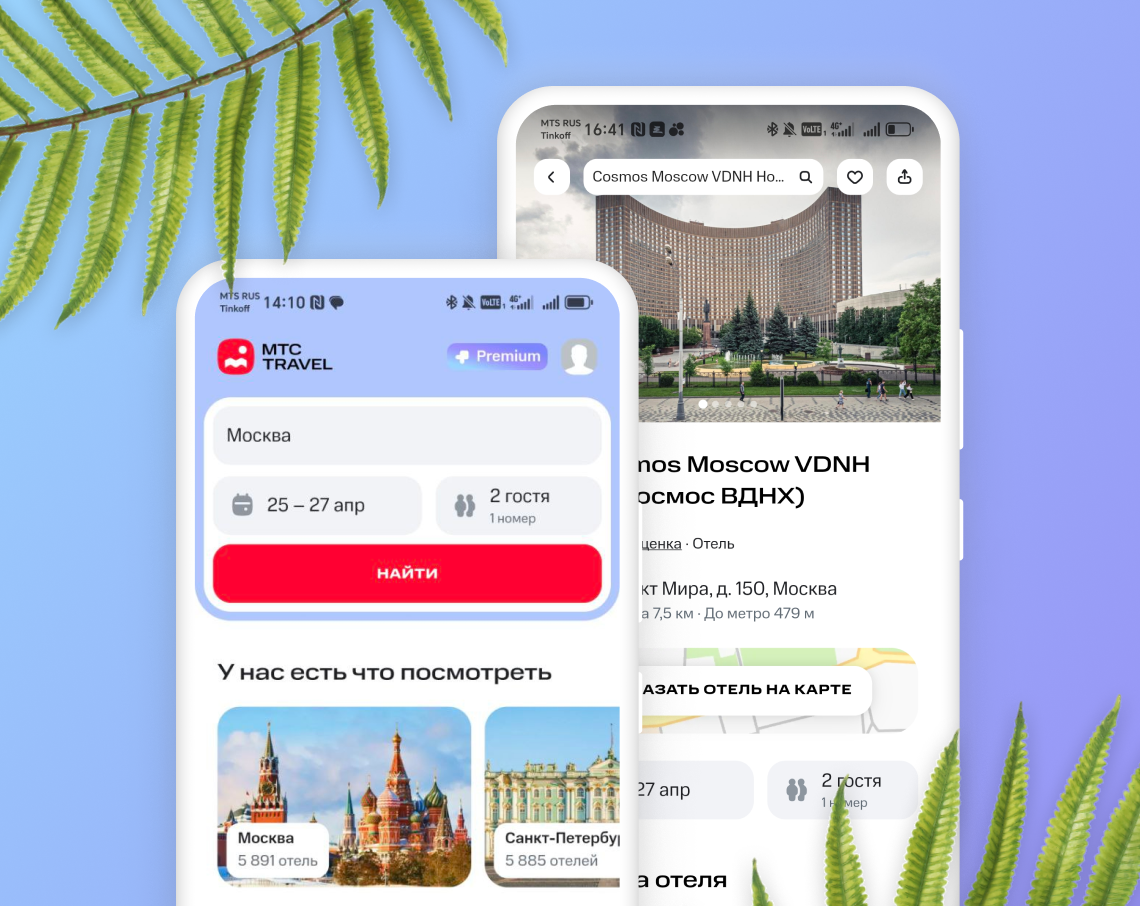
100 тыс.+ пользователей и 3000 часов разработки — Flutter MVP за 3 месяца
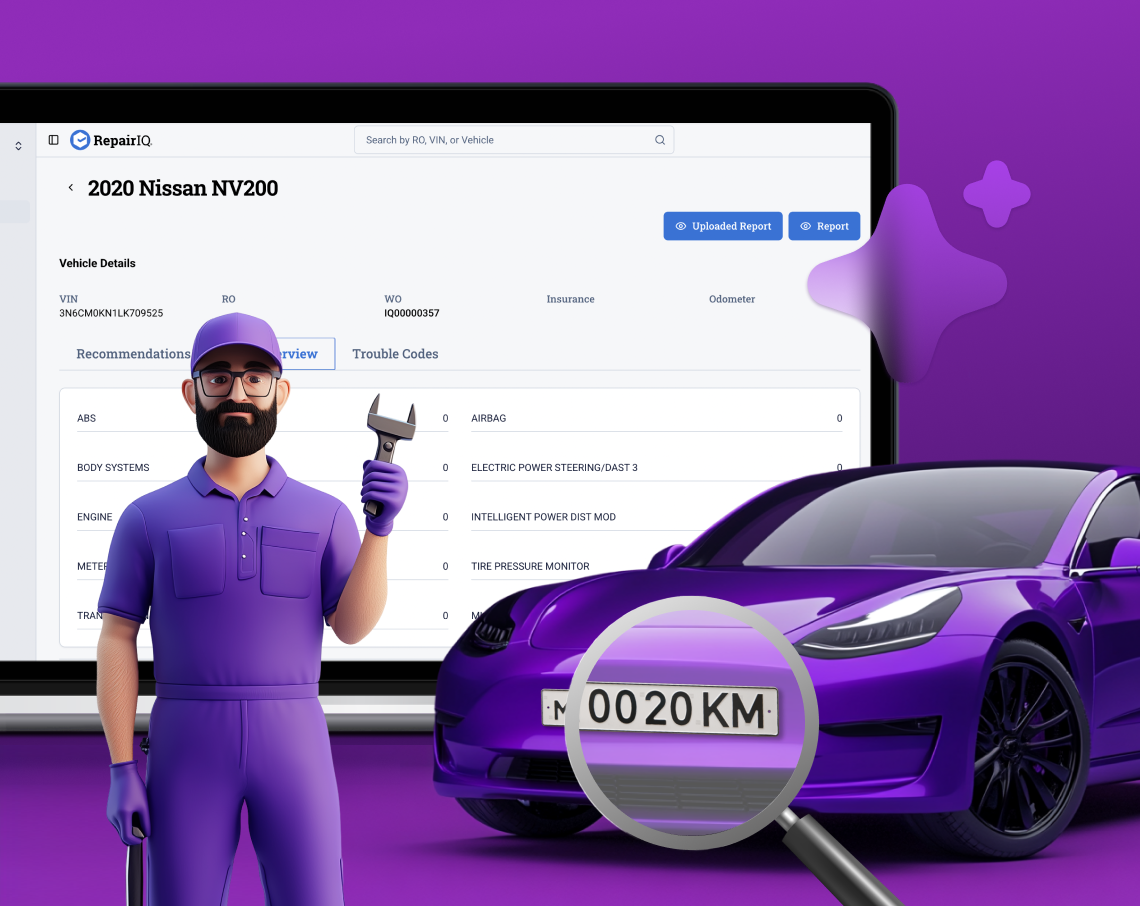
Автодиагностика будущего — облачная платформа с ИИ и LPR
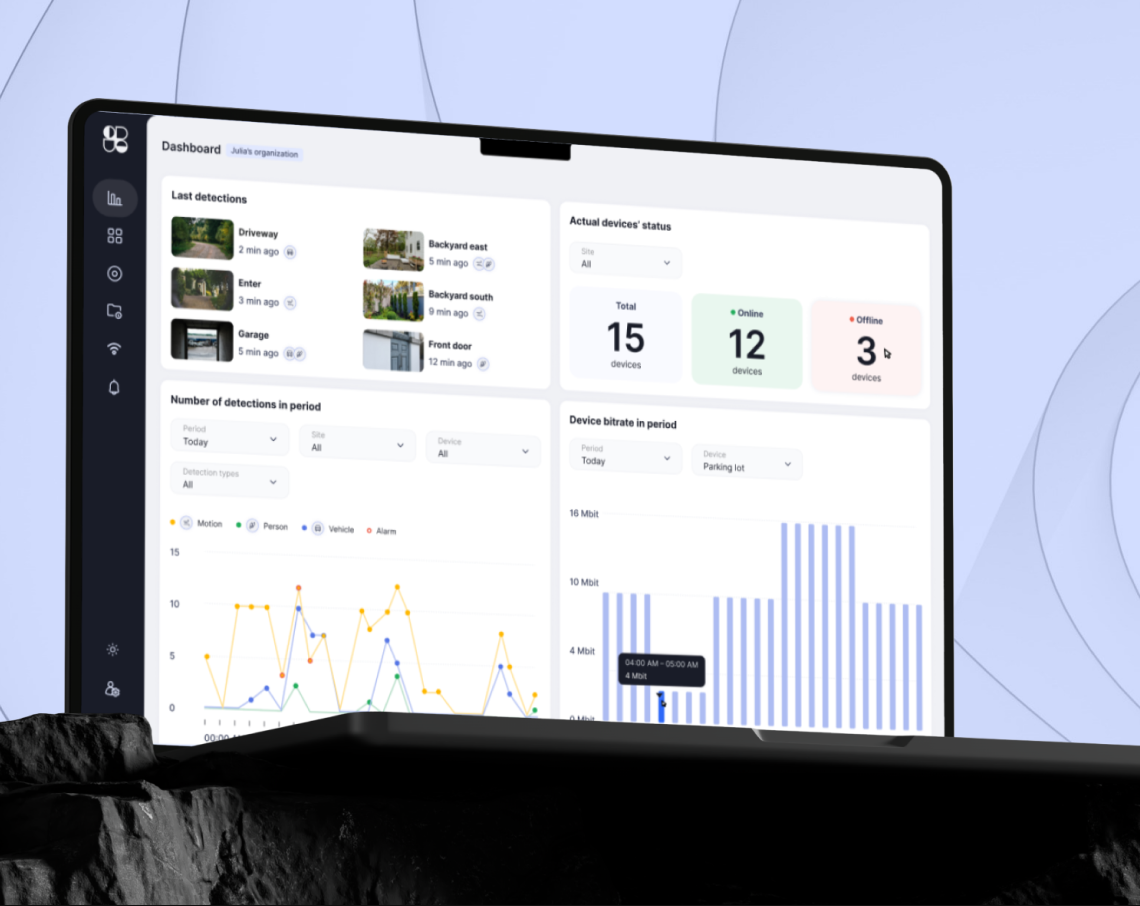
Умное видеонаблюдение — облачная масштабируемая платформа с мобильным доступом и ИИ-аналитикой для бизнеса и госструктур
