
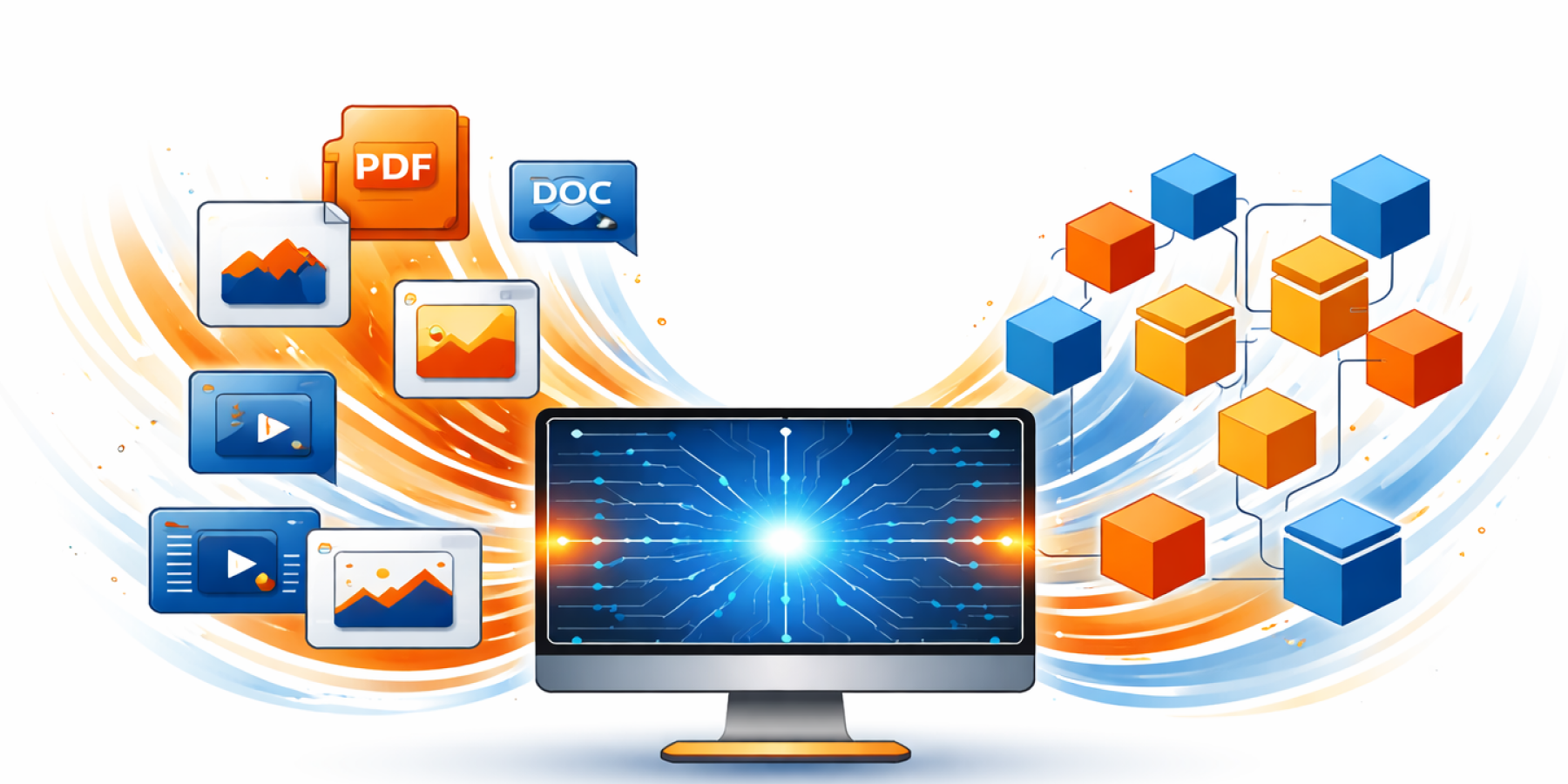
The year 2026 was a turning point for corporate AI: the market moved from experimentation to implementation, and the main trend is agent systems that independently perform tasks and make decisions based on company data.
Most companies already have corporate data: customer history in CRM, indicators in ERP, contracts in archives, tasks in Jira. But all the systems are isolated, and to get the full picture, the employee manually bypasses five different interfaces. For example, a manager who prepares a commercial offer spends forty minutes not working with a client, but collecting data about him.
The corporate AI knowledge base solves exactly this problem. In this article, we'll look at how it combines disparate sources, what happens "under the hood" with each request, and what is the profit for the business.
If in 2023-2024 companies introduced chatbots, now the main driver is AI agents or AI knowledge bases. Approximately 70% of CEOs focus on revenue growth, and companies with AI are already showing many times more revenue per employee than without it.
An AI knowledge base is a system that combines corporate data from different platforms and makes it searchable in a meaningful way. It connects to the company's sources and processes their contents in the form in which they already exist.
The employee asks a question in free form and receives an accurate answer based on internal documents.
To find the force majeure conditions in all contracts over several years, a lawyer has to open folders with PDF scans and manually view dozens of documents. It takes hours and days, but we do not exclude the risk of error due to the human factor.
The sales manager has a similar situation: customer data is in CRM, price list is in Excel, discount rules are in PDF on a shared disk, and correspondence is in the mail. It takes at least 30 minutes to collect information for a single commercial offer.
The architecture of an AI knowledge base is built around a simple logic: connect sources, process data, and give them quick access.
The system works with the data in the form in which they already exist in the company. These can be documents (PDF, DOCX), tables (XLS, CSV), databases, correspondence, as well as audio and video. Sources are connected directly via API or file storages. There is no need to transfer data or bring it to a single format.
After connecting, the system automatically parses the content: extracts the text, structure, and relationships between the data. It is based on semantic analysis: the system understands what the document is about.
For text documents, the RAG approach is used: relevant fragments are found during the query and used to form the response.
Separate mechanisms are connected for tables and databases that work with numbers directly: for example, you can calculate the cost or check the balances without manual unloading.
The architecture is not tied to a single language model — it can be replaced without rebuilding the entire system.
Employees work with the knowledge base through familiar interfaces, such as corporate messengers or internal systems. The request is formulated in free form, and in response, the system also returns links to specific sources: document paragraphs, table rows, database entries.
Additionally, the system collects usage analytics: which requests occur more often, where data is missing or errors occur.
|
Direction |
Description |
|
Support Service |
The system automatically processes standard queries and prompts operators with contextual responses in real time. |
|
Legal Department |
It takes seconds to search through contracts and regulations. |
|
HR |
The new employee receives answers about vacations, benefits, and rules. |
|
Internal technical support |
The Help Desk is being unloaded — employees themselves find instructions on the knowledge base. |
|
Analytics |
The system aggregates market data and prepares extracts for top managers. |
The implementation of corporate systems is usually associated with multi-month projects. The scheme is different here.
Diagnostics
Business process analysis, architecture selection for specific tasks, and the formation of a roadmap.
Integration
Connecting third-party sources. Automatic document processing without manual markup.
Pilot and launch
Testing the quality of responses, setting up access rights by role, and commissioning.
For more complex projects, an extended plan is provided with a pilot phase for a limited group of users and subsequent scaling.
The AI database is not linked to a specific vendor. Cloud models are available to choose from — OpenAI, DeepSeek, Sberbank, Yandex, T-Bank — and open-source: Llama-3, Qwen and others.
If the data should not leave the infrastructure, then it is worth choosing an open-source model and deploying everything inside the corporate contour. If the priority is response quality or startup speed, connect the cloud service.
The architecture is not tied to a single model: if a more accurate or profitable alternative appears, you switch without rebuilding the knowledge base.
Corporate data is not transferred to external servers. Access is differentiated by roles: each employee sees only those sources to which they have rights. All requests are logged — you can check at any time who asked what and when. The data in the vaults is encrypted.
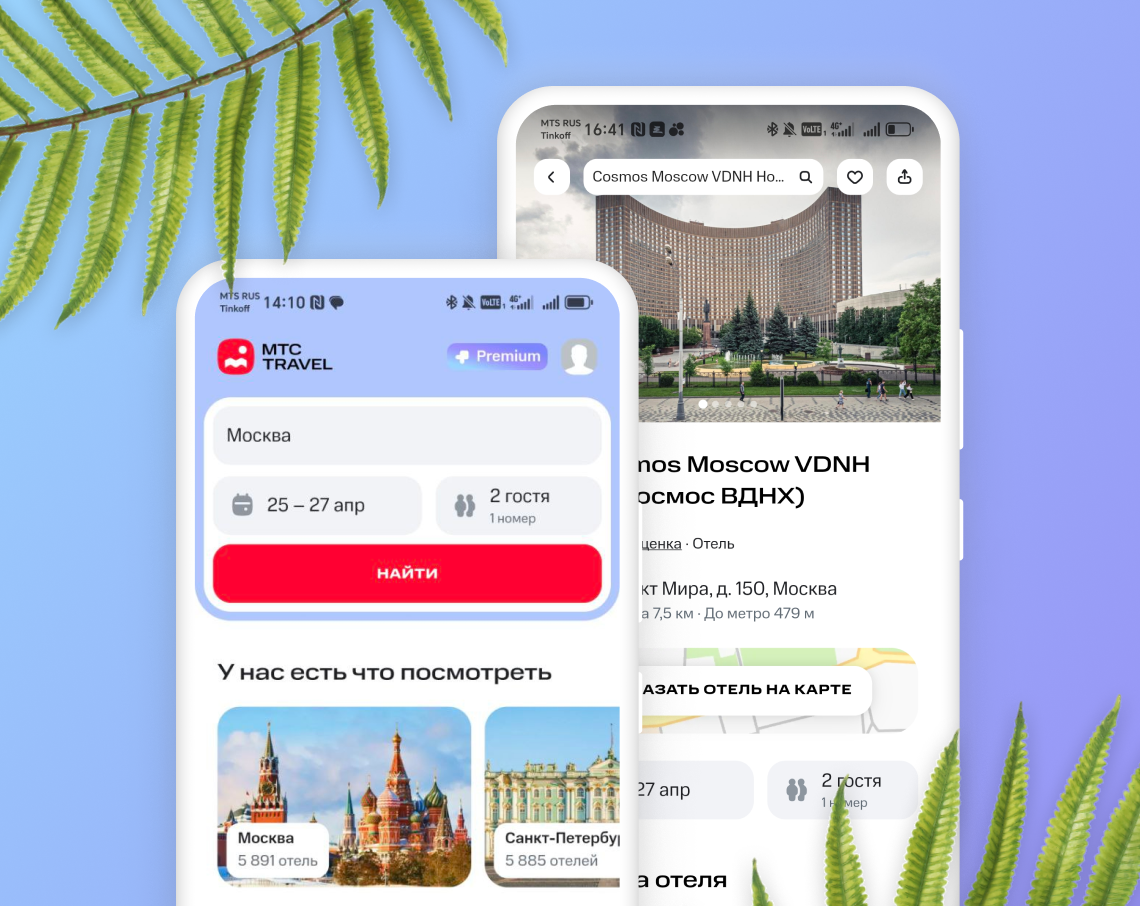
100 тыс.+ пользователей и 3000 часов разработки — Flutter MVP за 3 месяца
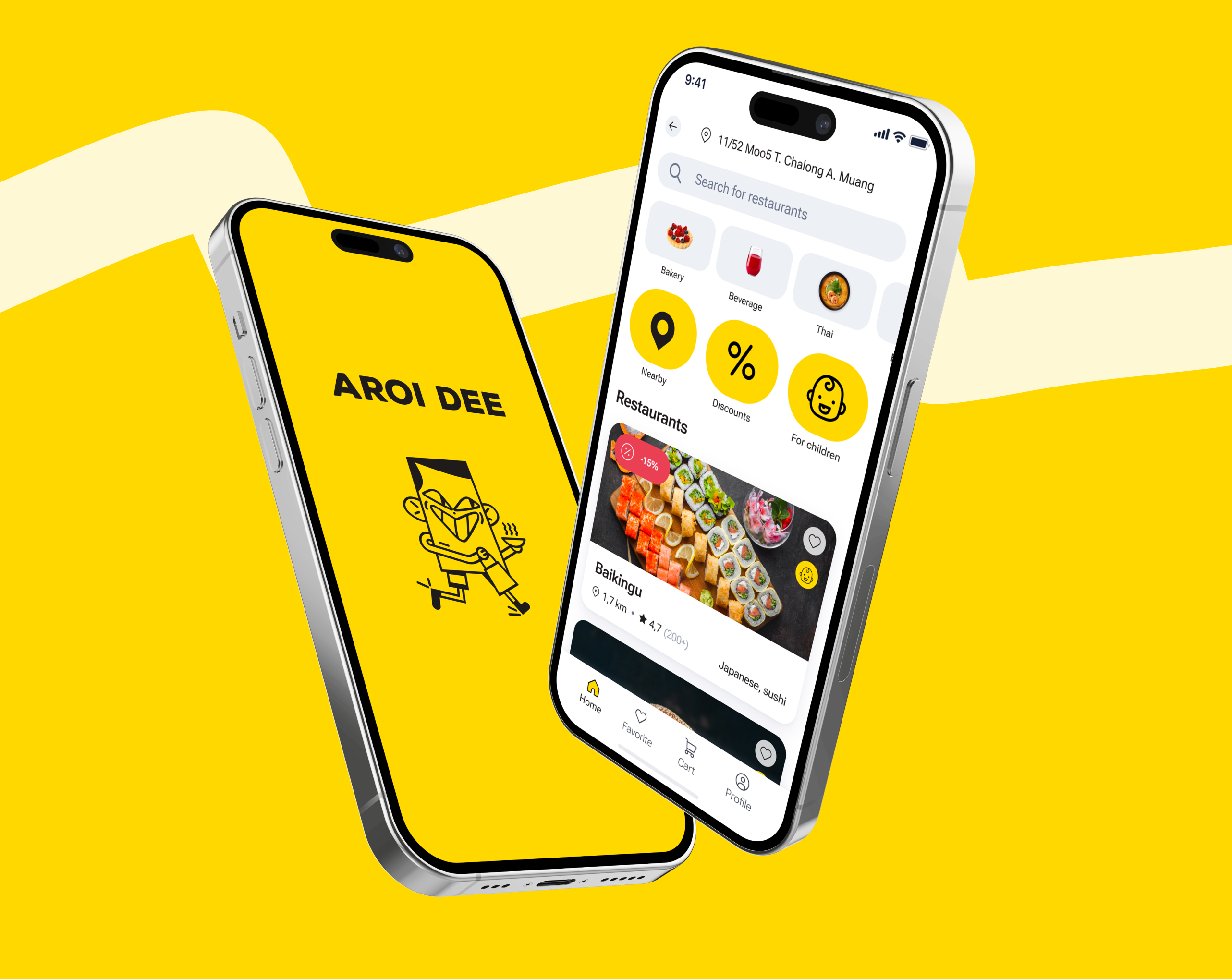
Тысячи скачиваний и шорт-лист Рейтинга Рунета — экосистема доставки еды на Flutter для Пхукета
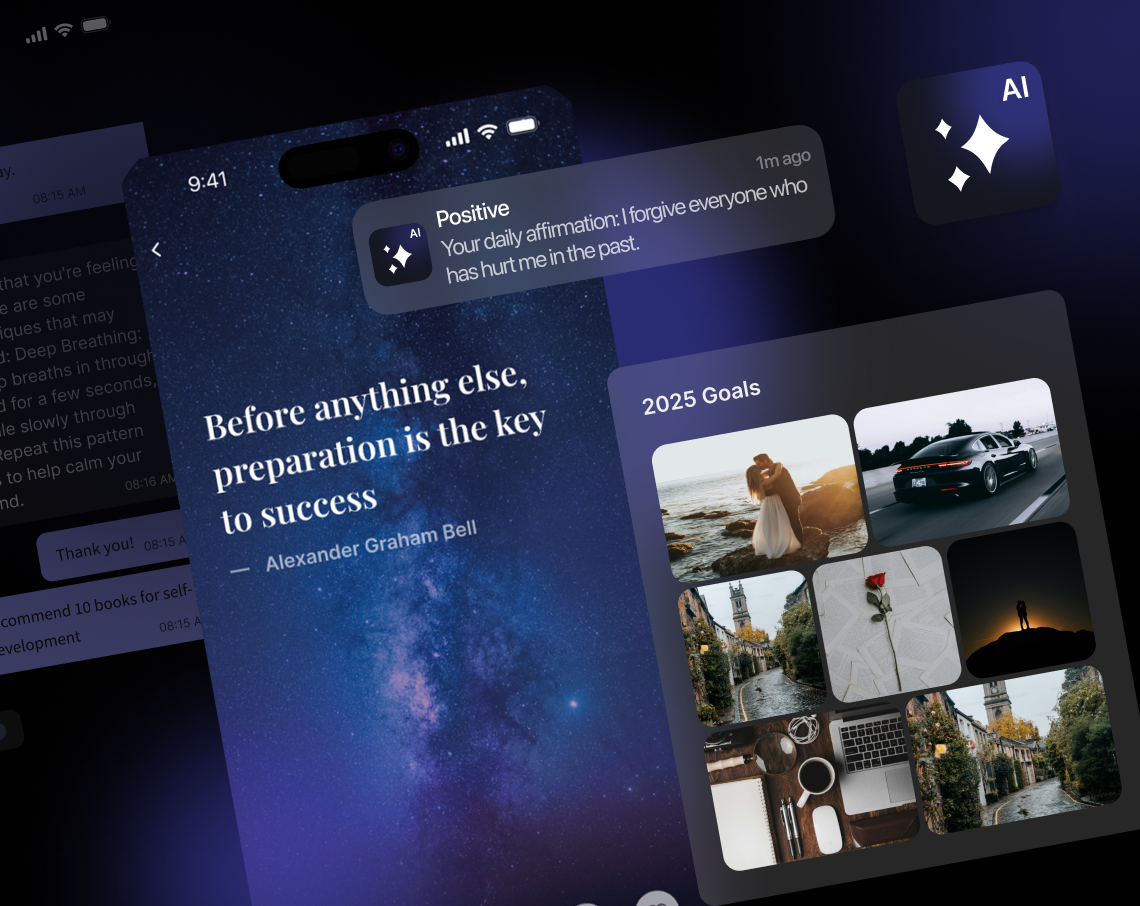
Flutter-приложение с ИИ-ментором — трекер привычек, который помогает обрести спокойствие и рост
No. The AI knowledge base connects to existing systems. The data remains in place — the platform only gets access to it.
The basic launch takes three days. The first is diagnostics and architecture selection, the second is connecting sources, and the third is testing and launching. Manual data markup is not required.
The system works with any formats: PDF, DOCX, XLS, CSV, SQL, audio, video. There is no need to bring the data into a single view. The only thing worth determining in advance is which source is considered the main one if the same information is stored in several places.
Access rights are configured by roles.For example, financial data is seen by the finance department, HR documents are seen by HR. The employee receives a response only from those sources to which he has access.
Yes. The system is not tied to a specific vendor — OpenAI, DeepSeek, Sberbank, Yandex, T-Bank, Llama-3, and Qwen are supported. If a more accurate or cheaper model becomes available, you can switch without rebuilding the system.
Built-in analytics monitors the quality of responses, records frequent requests, and marks cases where the system has not found enough data. For three real implementations, the accuracy was 89-96%.
