Taking care of your health has become a regular part of your life. Previously, young people hardly went to the doctors, and mostly the elderly were sitting in queues. If someone younger came to the reception, it looked strange: "yes, everything should be fine at your age."
Now everything is different. People monitor their well-being, train healthy habits, undergo examinations, work with psychologists and do not wait until it gets really bad.
Technology has also changed a lot. Patients have stopped calling the registry and catching an empty line, but are making appointments with a doctor through a medical mobile application. Medicines are ordered as easily as food. Psychological tests, consultations, health diaries, reminders, and habit trackers have all become a familiar human routine.
Because of this, health apps began to appear very quickly. Dozens of new services are released every day, and demand is still growing. New research, technology, and wearable devices are all opening up opportunities for developers.
As the market grows, so do expectations. It is important for users that the application is simple, understandable, does not slow down and does not "crash". It should be beneficial from the very first minutes, otherwise it will simply be removed.
The development of medical systems and applications for a healthy lifestyle can be roughly divided into two major areas. The first is medical programs that work with patient and doctor data and help people interact with medical institutions. The second is applications for maintaining a healthy lifestyle: habits, sleep, nutrition, stress, activity, and everything related to daily well—being.
Both types solve the same problem — they help a person to better understand their condition and notice changes in time.

These are services that relate to the more "official" part of health. They usually allow you to:
The development of medical systems helps to replace some of the trips to the clinic and simplify patient-doctor communication. The main idea is that a person gets support where it is convenient for him.
These services do not make diagnoses and are not related to medical practice, but they help in daily self-care. They can:
Such health apps help in everyday life: a person sees their habits and monitors their feelings.
The development of medical services for healthcare organizations can be aimed at solving various tasks. We have compiled a table to show how they solve the problem of patients and what their functionality is.
|
Type of medical application |
Functional |
For what |
|
Telemedicine |
Chat and video with doctors, send photos of tests, quick recommendations |
It allows you to get a consultation without going to the clinic, save time and clarify what to do in a situation where "something is sick, but it is unclear how serious" |
|
Electronic patient records |
They store tests, scans, appointments, and appointment history. |
All medical data is always at hand, nothing will be lost, you can quickly show the doctor the dynamics of the condition. |
|
Monitoring of chronic diseases |
Record indicators (blood pressure, sugar, pulse), reminders and reports |
It helps to monitor the condition every day, share data with the doctor and prevent complications. |
|
Applications for medical centers |
Online registration, doctors' schedules, examination results, payment for services |
Simplify patient care: you can make an appointment in a minute, get results without calls and queues. |
|
Symptom Trackers |
The user notes the symptoms, the service provides possible causes and a specialist profile. |
It helps you understand which doctor is best to contact and how urgently. |
|
Medication Reminders |
Appointment schedule, missed doses, notifications |
Eliminates the situation when a person forgets to take important medications or confuses dosages. |
|
Nutritionology |
Calculation of the diet, taking into account analyzes, vitamins, deficiencies, specialist advice |
They help to adapt nutrition to the state of the body, and not just "count calories" |
|
Services for writing and storing prescriptions |
They store electronic prescriptions, help you keep dosages, show you analogues, remind you about buying and taking |
They simplify the interaction between doctor and patient: prescriptions are not lost, dosages are always at hand, and the necessary medicine can be ordered in advance at a convenient pharmacy. |
|
Applications for counseling with a psychologist |
They offer online consultations with psychologists and psychotherapists, chats, video calls, emotional state tests |
They help you get professional support on time, cope with stress, anxiety or other psychological difficulties, and develop self-help and mindfulness skills. |
Here are two popular medical mobile applications.
Yandex.Health is an online service where video consultations, support for doctors and psychologists, as well as a quick chat with a doctor for everyday medical issues are available.
EMIAS is a medical system through which users can make an appointment with a doctor, get test results, view prescribed medications, and keep an electronic medical record. The application simplifies interaction with clinics and helps to keep all health information in one place.
There are the most services in this category, because everyone is responsible for some part of their daily well-being (sleep, nutrition, activity, mood, or living conditions). The main types and their functionality are listed below.
|
Type of application for healthy lifestyle |
Functional |
For what |
|
Activity Trackers |
They count steps, analyze workouts, record heart rate and calorie consumption. |
They show how active the day was, help you track your progress and build a comfortable exercise regime. |
|
Sleep Apps |
They record the phases of sleep, the time of falling asleep and waking up, and give tips on the regime. |
They help you understand why a person feels tired and why you need to adjust your schedule. |
|
Nutrition and healthy habits |
They keep a food diary, remind you to drink water, mark the time of taking vitamins, and count calories |
It is convenient to control the diet and form healthy habits without pressure and strict restrictions. |
|
Emotional state |
Mood diaries, breathing exercises, short meditations |
They support the psychological state, help to notice stress in time and reduce tension. |
|
Recovery Applications |
They offer stretching and relaxation exercises, light warm-ups, and breathing techniques. |
They help you recover from working days or workouts and reduce the feeling of fatigue. |
|
Home Health |
They show the noise level, air quality, humidity, and illumination. |
They help to create comfortable conditions in an apartment or office — this affects sleep, concentration and general well-being. |
|
Fitness Apps |
They provide ready-made training programs, video lessons, recommendations on loads and techniques. |
They allow you to train without a trainer, select the difficulty level, monitor progress and gradually increase the load. |
|
Women's calendars |
They monitor the cycle, ovulation, symptoms, mood changes; help plan pregnancy; give recommendations on the condition |
Women can understand the patterns of the cycle, prepare in advance for changes in well-being and monitor possible deviations. Many services add useful materials from doctors to explain the causes of different conditions. |
|
Applications for monitoring drug prices |
They collect prices for drugs from different pharmacies, show promotions, availability in the nearest locations |
They allow you to choose the right drug at the best price, quickly find alternatives and compare the cost in different pharmacies. |
Here are some examples of healthy lifestyle apps.
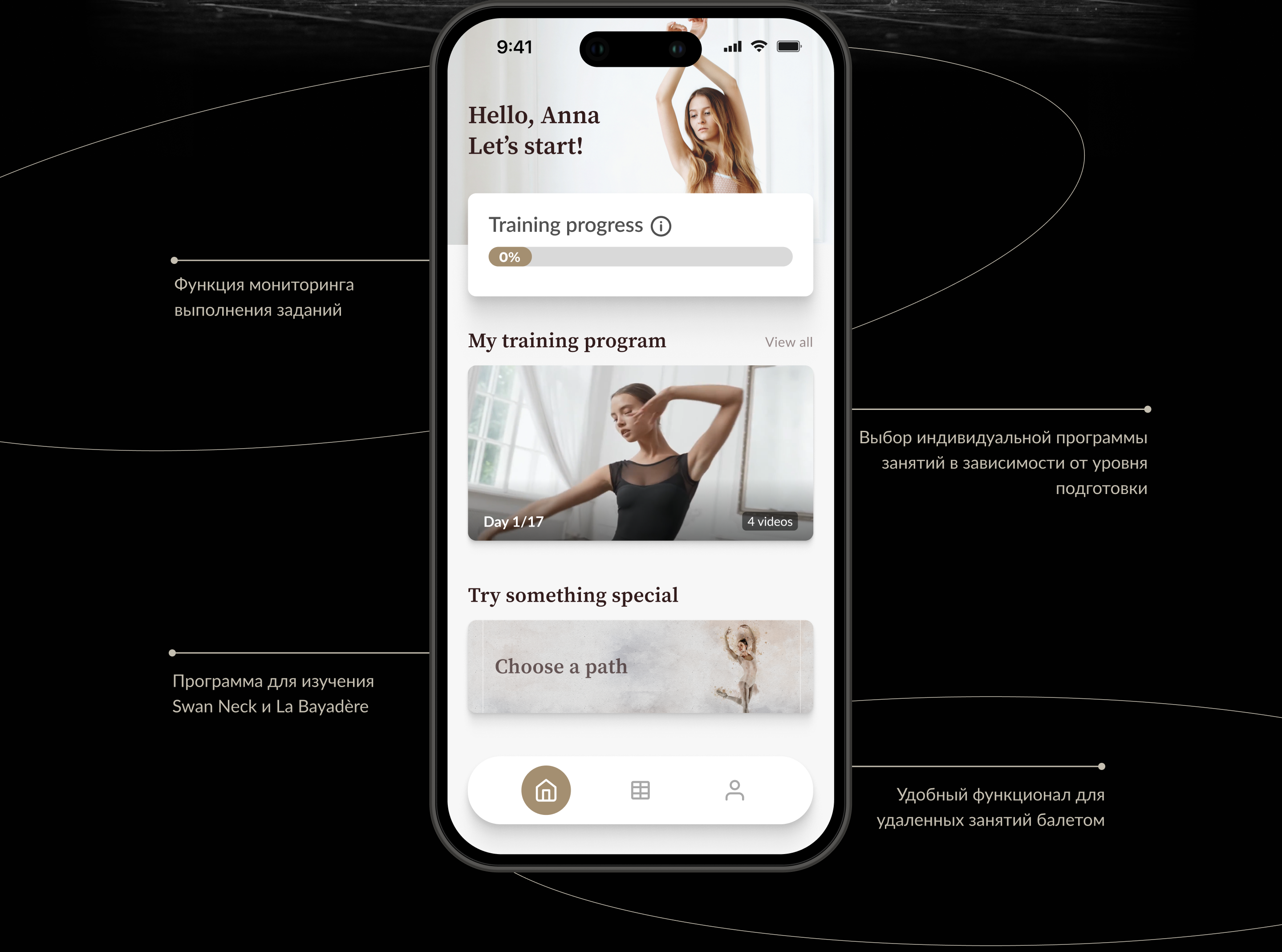
Womansy is a women's health tracker. A mobile application that helps you track your menstrual cycle, well-being, and emotional balance. The service has a library of useful materials about women's health and personalized recommendations. The user gets a convenient tool for understanding their body and forming habits of conscious self-care.
The demand for medical services and applications for a healthy lifestyle continues to grow, and the market is showing impressive numbers. According to RBC, the global market for mobile health applications has already exceeded $500 billion, and the dynamics remains positive. The Russian segment of medtech is also strengthening, with growth of 27% per year over the past two years.
At the same time, there is still a huge potential for development: most users are aware of medical applications, but not all of them are using them yet. The market is becoming promising for new, more convenient and in-demand products.
Below is a list of popular destinations that don't look secondary.
These are medical applications that help clinics work faster, more accurately, and without paperwork. Mobile or web-based solutions save doctors time and reduce the burden on administrators.
Functionality:
Example: corporate systems similar to EMIAS, but adapted for private clinics or networks of medical centers.
These are applications that combine face-to-face medicine and home monitoring. The patient doesn't just come to the clinic — he is in touch with the doctor 24/7.
Functionality:
Example: formats similar to DocDoc or Yandex.Health, but with deeper integration with the patient's devices.
They help parents monitor their child's health and not forget important visits and examinations. Such services solve many problems, including when the vaccination calendar is lost somewhere in the papers.
Functionality:
Example: the mobile application "Vaccinations — personal calendar".
They help the patient to follow the doctor's recommendations correctly and on time. This is especially useful when paper memos are lost or inconvenient to use.
Functionality:
Example: digital analogues of the rehabilitation programs of clinics such as "Scandinavia" or "SM Clinic".
They help the user understand what is included in the policy, quickly make an appointment and send the documents for payment. Convenient services that reduce the load on the contact center.
Functional:
They link technology and a smartphone, allowing the patient and the doctor to receive real-time data.
Functionality:
Example: platforms that work in conjunction with fitness bracelets or medical sensors.
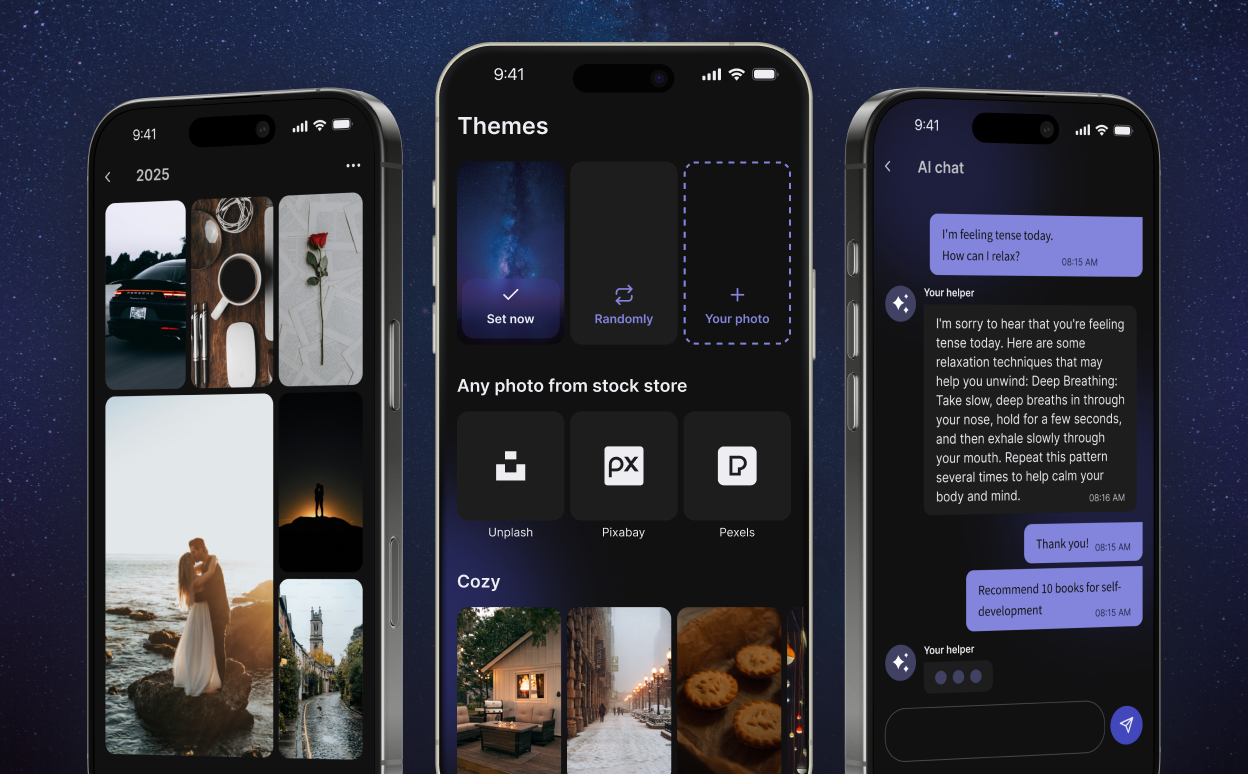
AI in mobile products for a healthy lifestyle helps to analyze user behavior, suggest optimal actions and support them in achieving their goals. Such decisions become part of the daily routine and form healthy habits through personalized recommendations.
Functionality:
Example: Our project is Positive: The Daily Motivation App is a mobile app with AI for daily motivation and habit tracker.
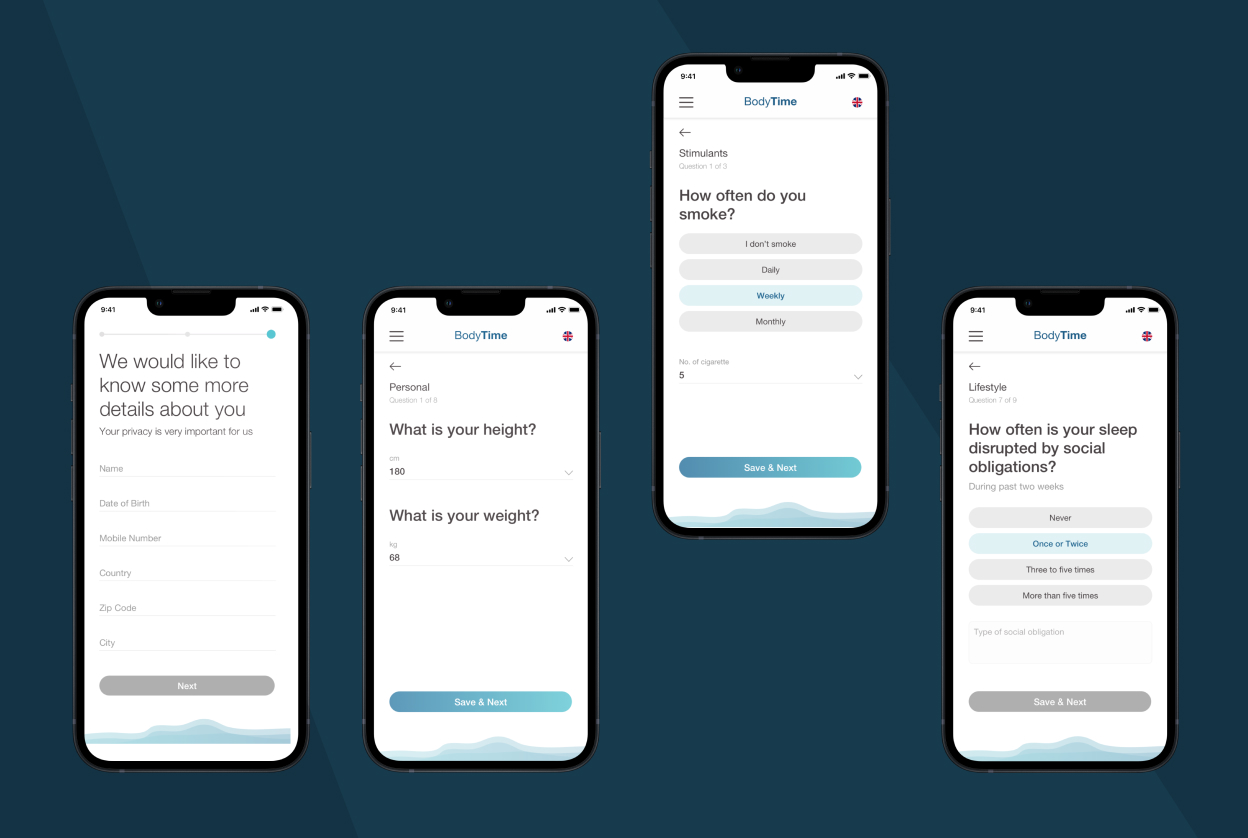
Corporate solutions that help to monitor the health of employees and improve their efficiency.
Functionality:
Example: Our BodyTime project is a B2B system that helps to assess the condition of employees based on hemotests and psychological surveys. The platform combines medical indicators and online survey results, generates personalized recommendations, and displays key metrics in user-friendly dashboards for employees, HR, and administrators.
Interest in personalized nutrition is growing every year: users want to understand which foods are right for them, how to build a diet for their goals, and how to track changes in the body. These apps help you form healthy habits and receive recommendations that are relevant to a particular person.
Functionality:
Example: MyFitnessPal is a healthy eating planner.
Project planning
Interface Design
Functional development
Testing a medical app
Release and maintenance
Medical technology is developing faster than ever. People, including patients, are getting used to digital services. Doctors need convenient tools for their work, and clinics, insurers, and pharmaceutical companies are looking for solutions that improve the quality of care and optimize processes.
The benefits of medical apps and websites are obvious. Agree, it's always convenient to just show the doctor where it hurts, without thinking about who to sign up for. This is exactly the task we solved in the TraumaUnit project.
The LighTech team has developed a website for TraumaUnit medical facility that combines convenient appointment appointments, shortened patient registration, and detailed health data transmission.
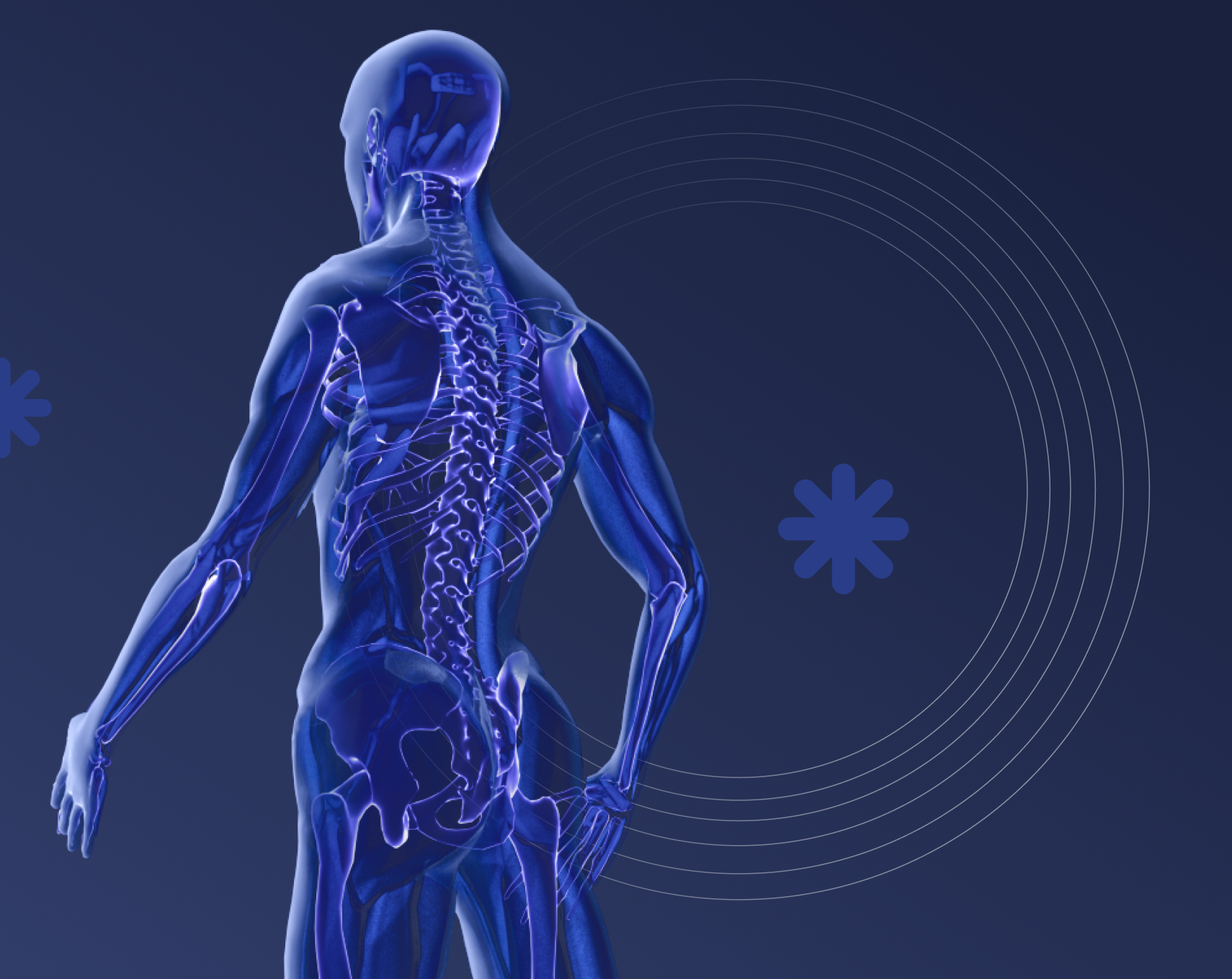
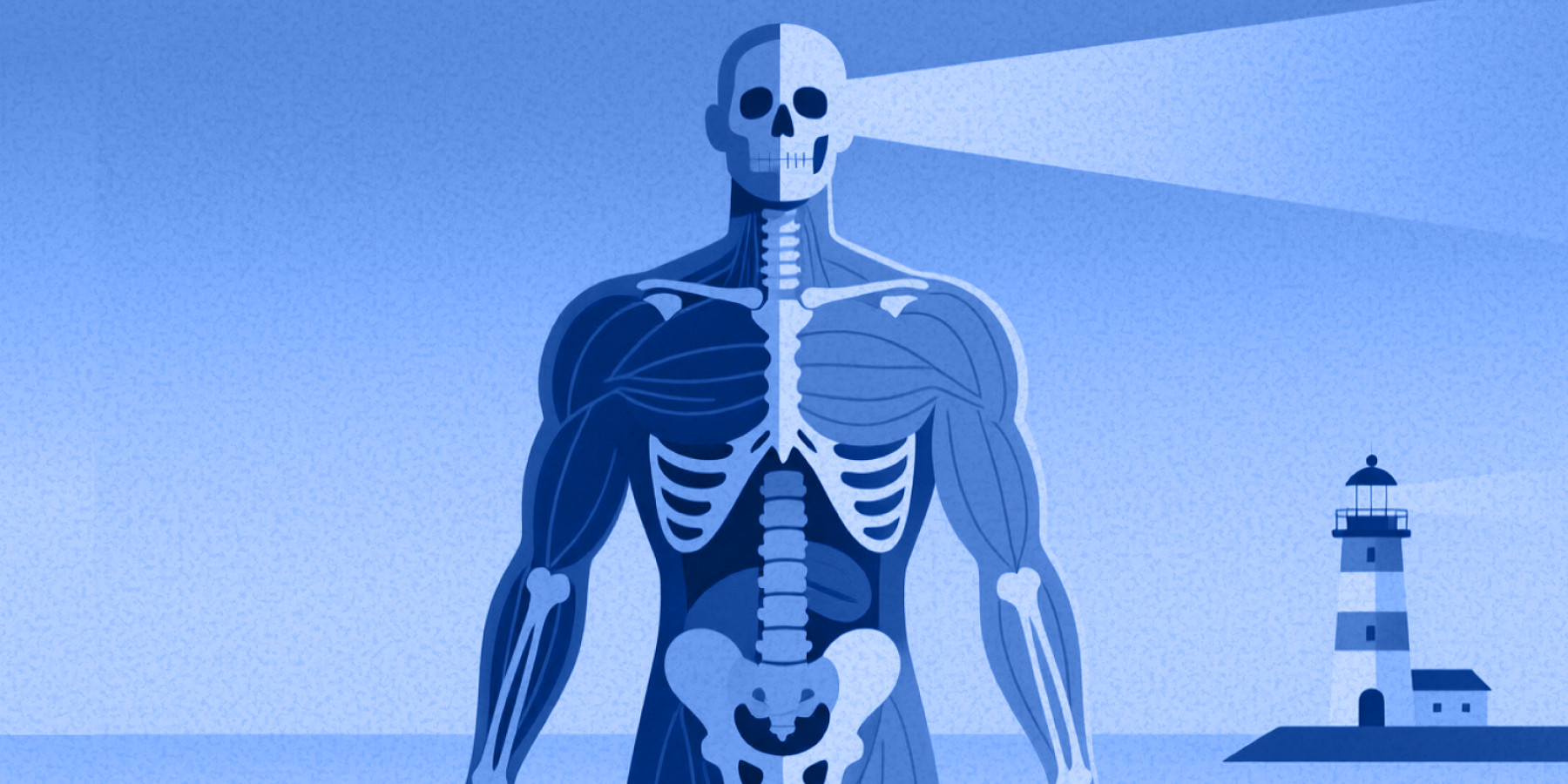
We have integrated a 3D model of the human body, allowing the patient to quickly indicate exactly where it hurts. This approach helped to shorten the user's path to choosing the right specialist and provide the most accurate primary description of the symptoms.
Developing a medical application today is an opportunity to occupy a promising niche: the market is growing, user requests are becoming wider, and there is still plenty of space for new services. A properly designed digital health product can cover needs and bring tangible benefits all at once.
Apps are often free, but they use different monetization models.:
The basic logic is simple: the application can remain free, but generate revenue through useful features and additional services.