11 types of marketplaces and how they differ
There are many different marketplaces on the market, and it's not just about the types of large and well-known sites. Each platform has its own purpose and audience. We have included in the review even those formats that are just gaining momentum.
1. B2C marketplaces
One of the most common options. These are platforms where businesses sell goods or services to private clients, for example, Ozon, Wildberries, Lamoda. There are many sellers, a wide audience, high competition, and a huge selection.
2. Service marketplaces
They do not sell goods here, but services: cleaning, repairs, rent, training, delivery, beauty services. It is convenient for the buyer to find a trusted specialist and place an order without lengthy negotiations. Examples: YouDo, Profi.ru , A service store.
3. C2C marketplaces
Platforms where people sell to people. These are usually used items, handmade items, and collectibles. Examples: Avito, Yula, <url>. This format is suitable for private sellers and buyers who want to buy cheaper or sell unnecessary items.
4. B2B marketplaces
Business platforms: purchase of raw materials, equipment, wholesale, and services. They help companies find reliable suppliers, compare terms, and simplify corporate procurement. Example: OptList, B2B-Center.
5. Aggregator marketplaces
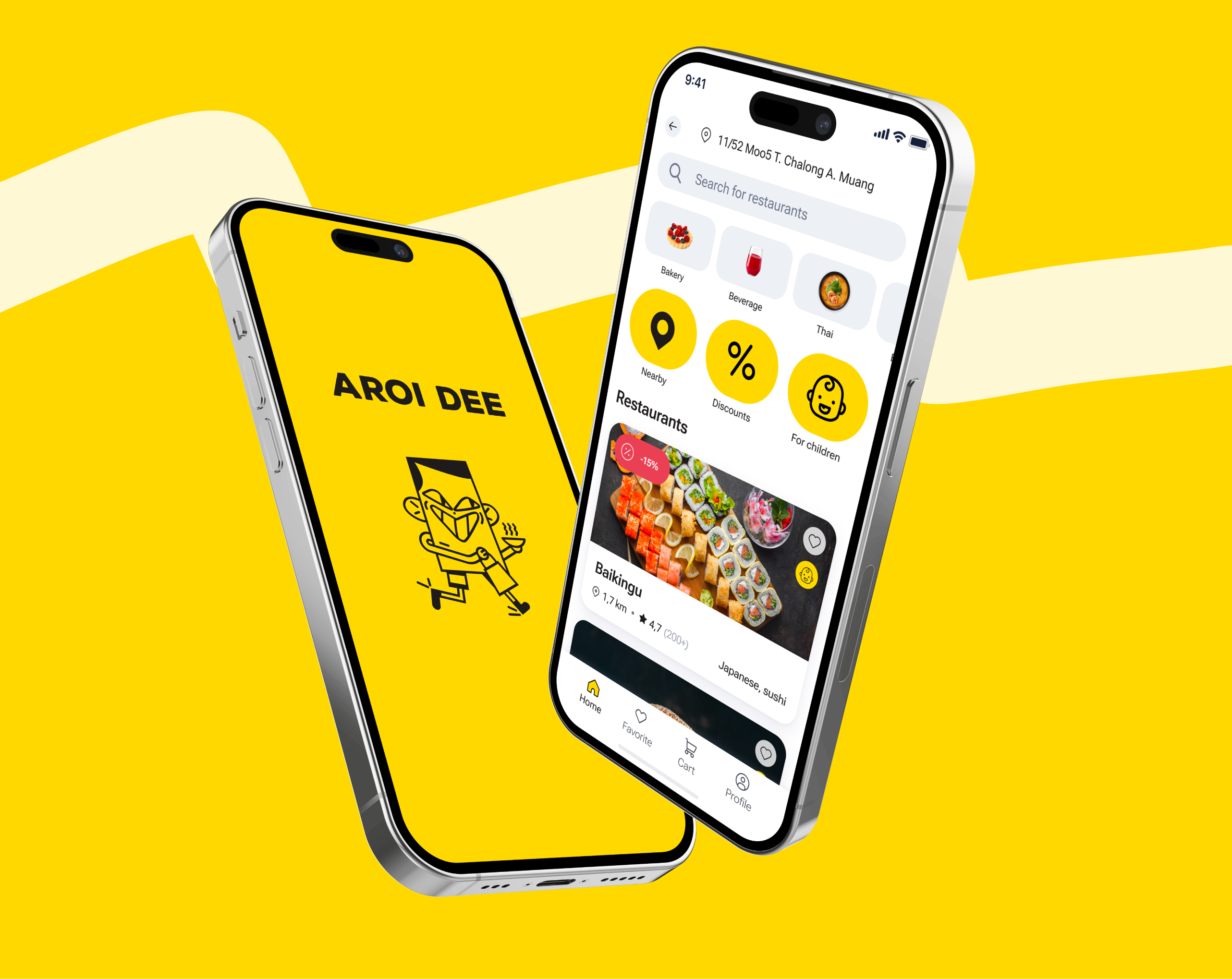
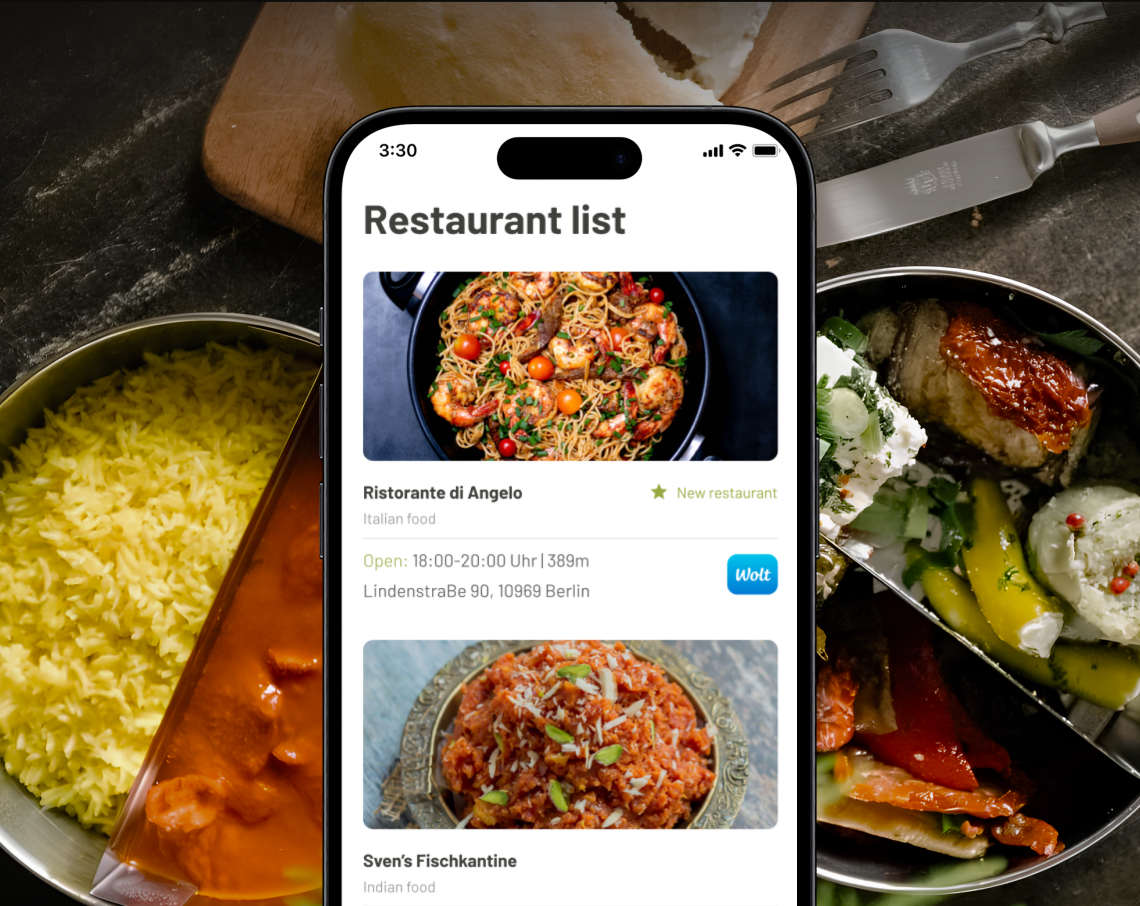
Services that collect offers from various sources. Typical examples are ticket aggregators, taxi companies, and food delivery companies. The marketplace itself doesn't sell anything, it just helps you choose the best deal. Examples: Tutu.ru (tickets), Yandex.Food, Compare It.roo.
6. Industry marketplaces
Highly specialized sites: only cosmetics, only pet products, only furniture, only handmade. Their advantage is an accurate focus on a specific audience, which reduces competition and makes the management system easier. Example: Petshop.ru .
7. Local marketplaces
They work within the same city or region. They are distinguished by fast delivery, convenience and proximity to the customer. They are often used for groceries, ready meals, local services, and small businesses. Example: Delivery Club (local restaurants), Gorod-Express.
8. D2C marketplaces (Direct to Consumer)
When a brand sells directly to a customer without intermediaries, but through its own mini-platform, where there may be other brands, but only trusted and partner ones. Example: marketplaces of cosmetics, clothing, and electronics manufacturers. This is a growing segment — brands want to be less dependent on the giants.
9. P2P marketplaces (Peer to Peer)
Sometimes they are confused with C2C, but P2P is a format of exchange or rental between individuals: things, transport, tools, housing, skills. Example: Airbnb started out as a P2P, tool rental, car rental platform. The trend is growing because people are moving towards a sharing economy.
10. Subscription Marketplaces
A platform where sellers offer products or services based on a subscription model. Example: subscription services for products, cosmetics, and software. The topic is developing due to stable repeat sales.
11. Corporate marketplace (internal CMM)
Closed platforms that are created within the same company or group of companies. Their main goal is to automate internal procurement and simplify supply, from office supplies to materials for production units. All counterparties are checked and work in a closed catalog with fixed prices and conditions. Examples: X5 Group internal catalog, SIBUR internal procurement, Lenta corporate marketplace.