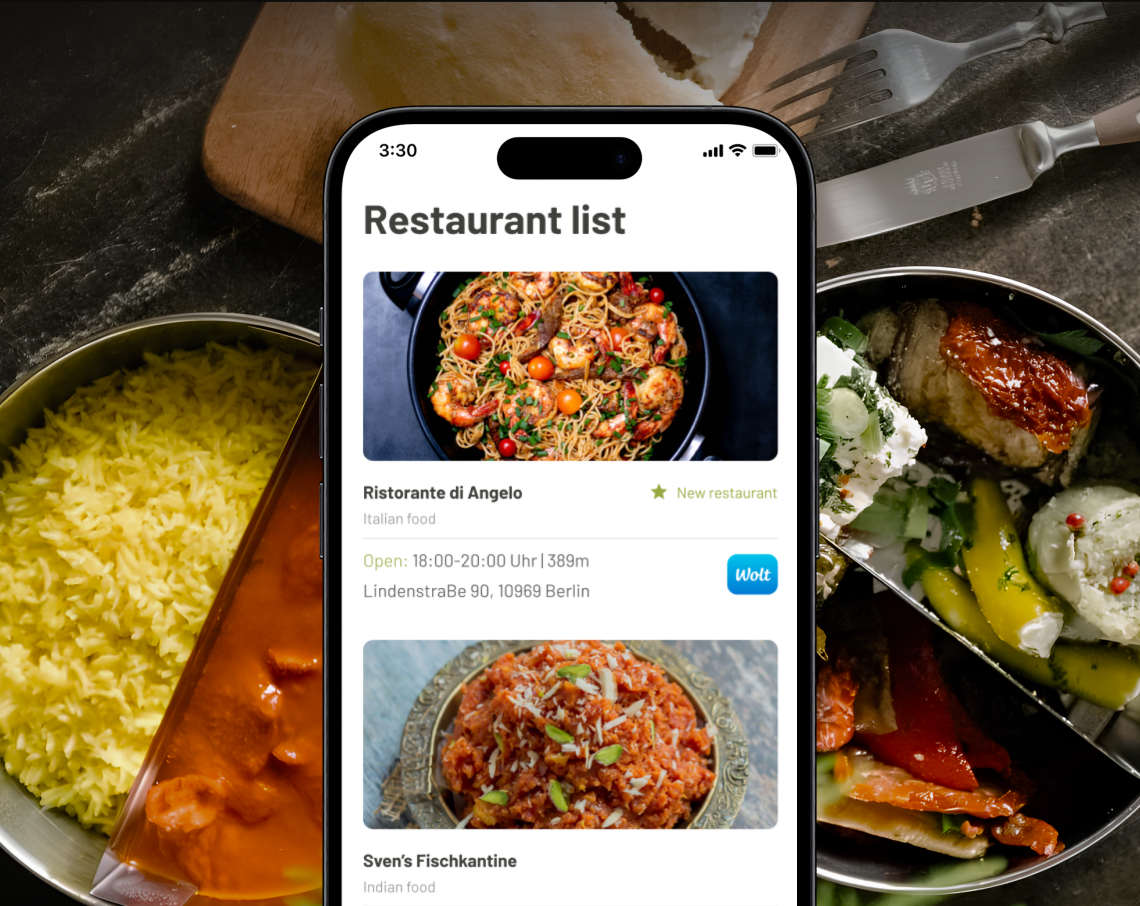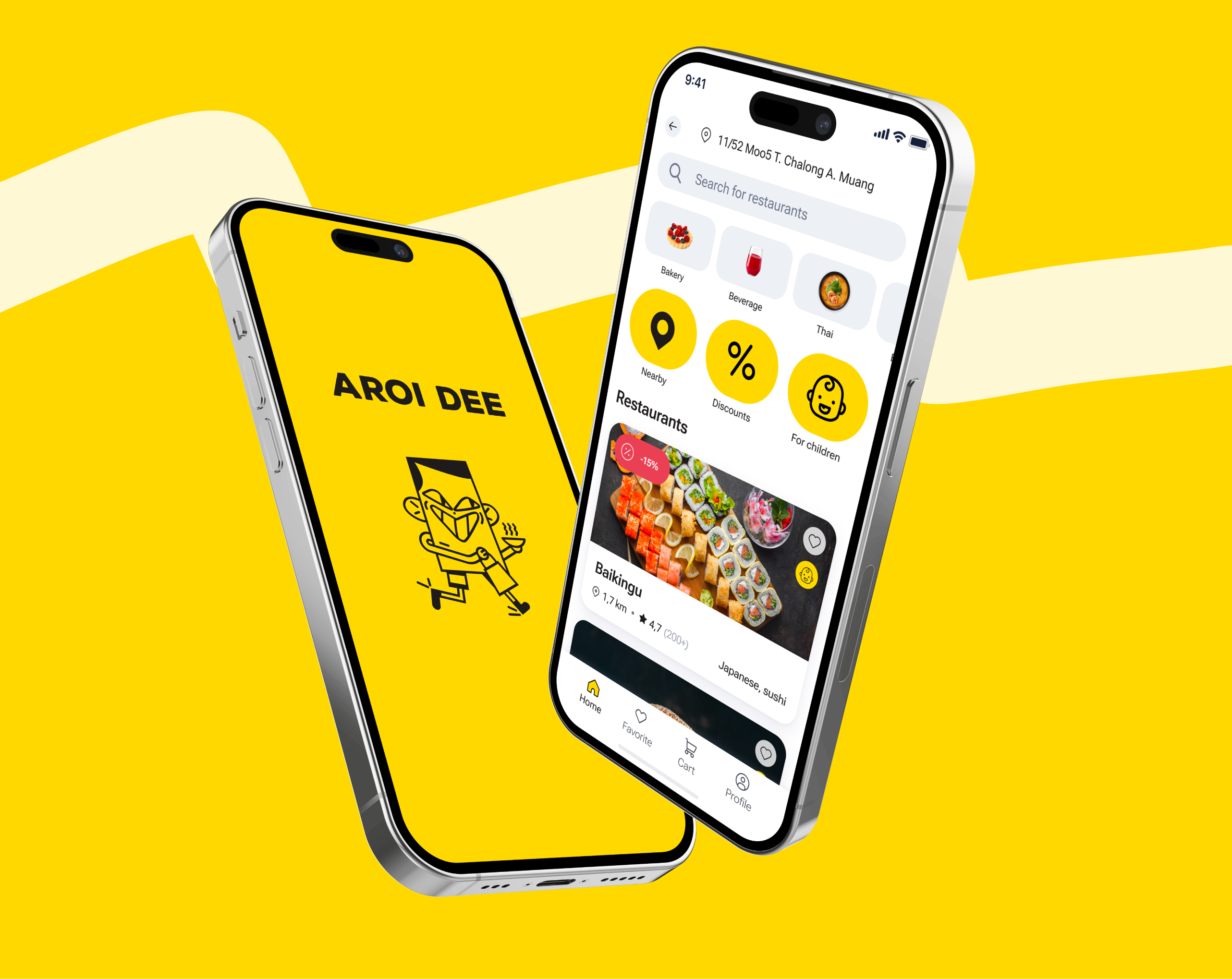

More and more companies are choosing Flutter as their main tool for cross-platform development. This framework from Google allows you to create applications with a single code for Android, iOS, Web and desktop platforms, minimizing costs and ensuring high performance. Since 2017, our mobile development team has remained technology evangelists and has taken full advantage of Flutter for business.
In this article, we will analyze the features of flutter development, compare this technology with other solutions, and give our Tiffin Loop project as an example.
Flutter is a framework in the Dart language for creating applications for mobile, web and desktop systems with a single code base. It simplifies the development process and allows you to run applications on different platforms with minimal changes.
Its strengths include accelerated MVP creation, lower costs for supporting multiple platforms, and ensuring the identity of interfaces across ecosystems.
The Dart programming language has an intuitive and concise syntax, which makes it easier for developers to learn.
JIT compilation speeds up code execution during development, while Hot Reload helps you immediately see how code changes affect the interface. This speeds up your work because you don't need to restart the app to check for edits — everything is updated instantly.
The Flutter architecture is based on a hierarchical system of components — widgets that serve as building blocks for interfaces. The framework has an extensive library of predefined widgets covering basic and complex scenarios. At the same time, the flexibility of the system allows you to customize components or create them from scratch, adapting the UI to the unique requirements of the product.
The main competitive advantages of the framework:
Prompt creation of products. An MVP application can be developed in 2-3 months. This allows companies to test hypotheses and make edits without stopping development.
Versatility of the code base. The single code runs on Android, iOS, web platforms, and desktop operating systems, minimizing the cost of supporting multiple versions.
Native performance. The Skia rendering engine and the absence of "intermediaries" in the code ensure a speed comparable to native applications. This guarantees smooth animations, instant interface response, and reduced device load.
Customization for the brand. The widget system allows for complex animations and responsive design.
An ecosystem with long-term support. Google's investments in the development of Flutter, regular updates and an active community (more than 2 million developers) reduce the risks of technology obsolescence. Access to libraries, plug-ins, and guides speeds up the solution of non-standard tasks.
Why is Flutter popular among other platforms? It is actively used by developers due to its high level of performance, user-friendly tools and flexible interfaces. Below we have provided a comparison of flutter with other popular application development technologies.
|
Technology |
Positive |
Minuses |
|
Flutter |
|
|
|
React Native |
|
|
|
.NET MAUI (formerly Xamarin) |
|
|
Cross-platform and native development allows you to scale projects and provide a high-quality user experience on mobile devices, but their architectural differences form fundamentally different work scenarios. The choice between these methods depends on many factors: timing, budget, performance requirements, and project specifics.
If the priority is full integration with the device's capabilities and compliance with platform recommendations, native development becomes the optimal solution. Developing on iOS and Android requires more time and budget, as a separate application is created for each platform.
One of the main advantages of the cross-platform approach is cost reduction. Budget savings in Flutter development are clearly demonstrated by the Tiffin Loop project, where we compared the time spent in man-hours.
Native development would require 960 man-hours, including the involvement of individual developers for Android and iOS (230 hours each).
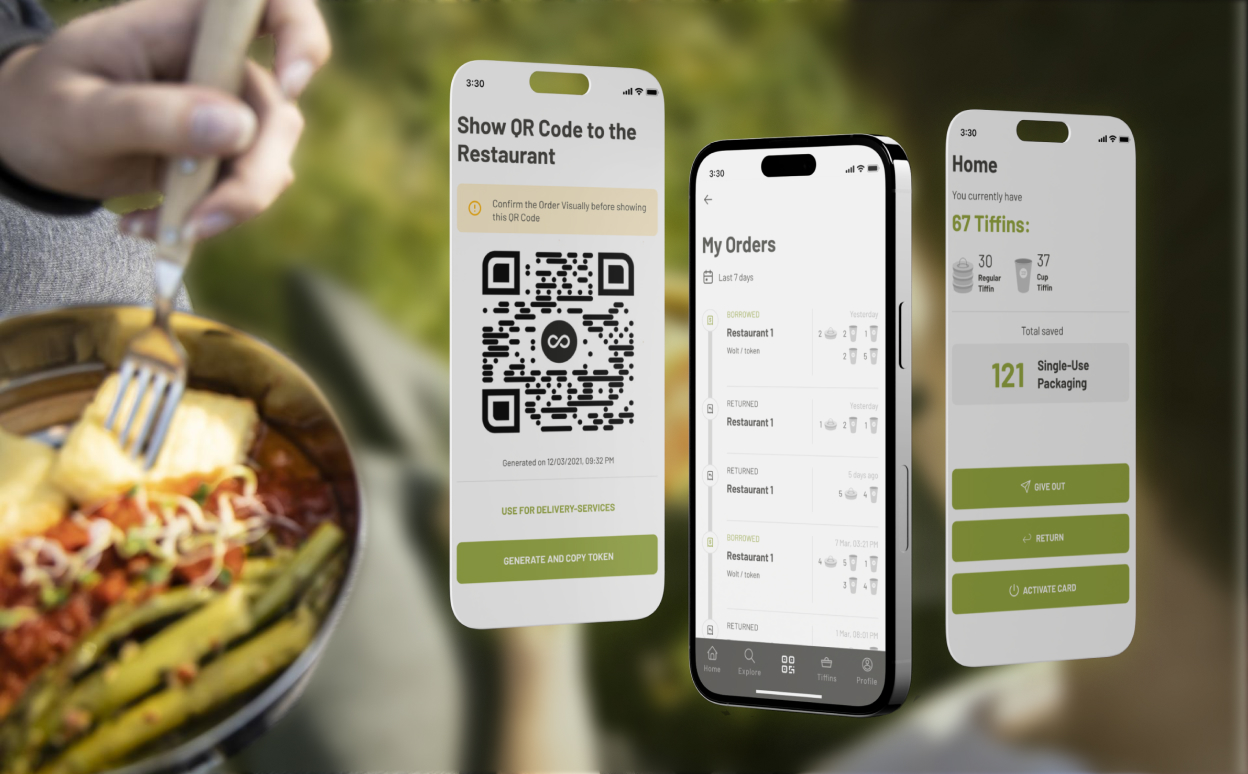
A single code for both platforms made it possible to implement changes faster, for example, gamification functionality, integration with a German ERP system, or the possibility of extending a lease. All this has ensured the stable operation of the service, compliance with legal requirements and convenience for end users.
To learn more about the differences between native and cross-platform development, we recommend reading our article on the topic.
The choice of a solution is always determined by the specifics of the project and the business objectives. Flutter has established itself as an effective tool for cross-platform development, capable of reducing the cost of creating digital products. It is actively used even by large corporations around the world.
In Russia and abroad, banking applications, services for travel, logistics, marketing, e-commerce, and many others use this technology. This confirms that the framework provides high performance, stability, and flexibility even for complex and scalable projects.
Our team uses best practices to create mobile applications on Flutter.:
Integration with GitHub — automation of CI/CD processes from PR to release.
Corporate project templates — standardization and acceleration of deployment.
Internal libraries — accelerate the implementation of key functions.
Effective teams are a balance of experience and process optimization.
Popular architectural patterns are the use of Clean Architecture or Block for scalability.
High standards of code —code review, strict requirements of the linter and constant training of the team.
Current technologies — updating Flutter and libraries to support advanced solutions.
Using flutter reduces the development budget by up to 30% compared to parallel implementation of native applications. The technology allows you to create a working prototype (MVP) in just 8-12 weeks, which helps businesses test hypotheses in conditions of limited resources.
A Flutter developer is a specialist who creates applications for iOS, Android, Web and other platforms using the Flutter framework. He writes code in the Dart language, works with a single code base, develops interfaces (including complex custom widgets), and implements application logic.